Why Use an Air Curtain in a Mall: 7 Clear Reasons
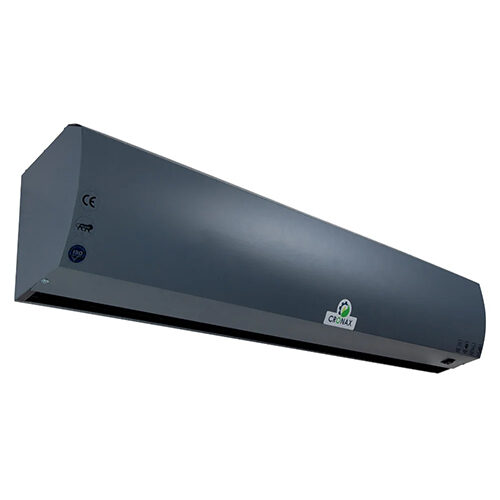
An air curtain solves this. It blows a steady sheet of air across the doorway, forming an invisible barrier that people walk through freely. Here is why malls use it and where it helps most.
1. It Cuts Air Conditioning Loss
Malls run large AC systems all day. Every time an entrance opens, cool air flows out and warm air flows in. The AC then works harder to recover.
An air curtain reduces this exchange. The cooling stays inside for longer, which eases the load on the system and keeps energy use in check. Savings depend on door size, traffic and climate, so avoid relying on fixed percentage claims.
2. It Keeps Shoppers Comfortable at the Door
Entrances are where shoppers feel the biggest temperature jump. A blast of hot air near the door spoils the first impression.
An air curtain softens this change. The area near the entrance stays steadier, and staff at nearby stores and kiosks are less affected by drafts.
3. It Keeps Doors Open Without Slowing Foot Traffic
Automatic glass doors help, but they open and close constantly at busy times. Queues form, and wheelchairs, prams and trolleys can get delayed.
With an air curtain, the doorway can stay open. People walk in and out freely, and the air barrier still does its work.
4. It Limits Dust and Outdoor Pollution
Road dust and fumes drift into malls near busy streets. They settle on floors, displays and food counters, and add to cleaning work.
The airflow pushes much of this away from the entrance. Indoor air stays cleaner, and shop displays stay presentable for longer.
5. It Keeps Insects Out of Food Areas
Food courts, supermarkets and restaurants inside malls need to stay free of flies and mosquitoes. Insects often enter through open doors, especially at service and loading entrances.
An air curtain makes it harder for flying insects to cross. It works best at food court entrances, kitchen doors and supermarket back areas.
6. It Reduces Odors and Noise Spreading
Cooking smells from a food court or kitchen can drift into corridors. Street noise can enter through open doors.
A properly placed air curtain limits how much air and sound moves between zones. It does not remove odor or noise fully, but it helps keep each area more separate.
7. It Looks Clean and Does Not Block the View
Malls care about appearance. Strip curtains or heavy doors can block views and clash with the design.
An air curtain is a slim unit mounted above the door. Shoppers see the storefront and the entrance clearly, and the design stays open and welcoming.
Where Malls Use Air Curtains
- Main entrances and exits
- Food court and restaurant entrances
- Supermarket and hypermarket doors
- Cinema and multiplex entrances
- Loading bays and service entrances
- Cold storage and stockroom doors
- Parking-level entry points
What Makes an Air Curtain Work Well in a Mall
A few simple points decide how well it performs:
- Full coverage: the unit should be at least as wide as the door
- Right airflow: it must reach the floor without blowing hard on shoppers
- Door-linked controls: running only when the door is open saves power
- Low noise: quiet operation suits a shopping environment
- Neat finish: a clean casing blends with the entrance design
Width is the point most malls get wrong. Main entrances are often several meters wide, so one unit is rarely enough, and installers fit two or more side by side. Manufacturers such as Cronax Industries offer an air curtain in different lengths, which makes it easier to cover a wide entrance without leaving gaps.
Conclusion
An air curtain gives malls a practical way to protect cooling, comfort and cleanliness without slowing down visitors. It cuts AC loss, limits dust and insects, softens the temperature change at the door and keeps the entrance open and attractive. For any mall with busy doors and a large air-conditioned space, a well-sized air curtain is a simple addition with daily benefits.