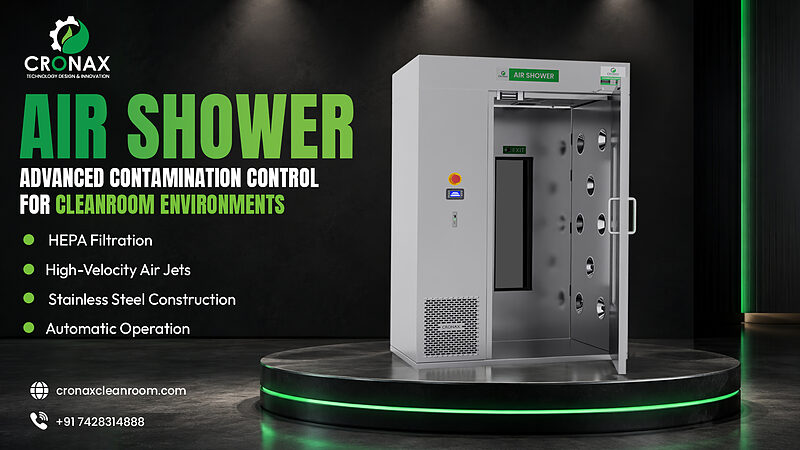
How Often Should an Air Shower Be Maintained? A Simple Guide
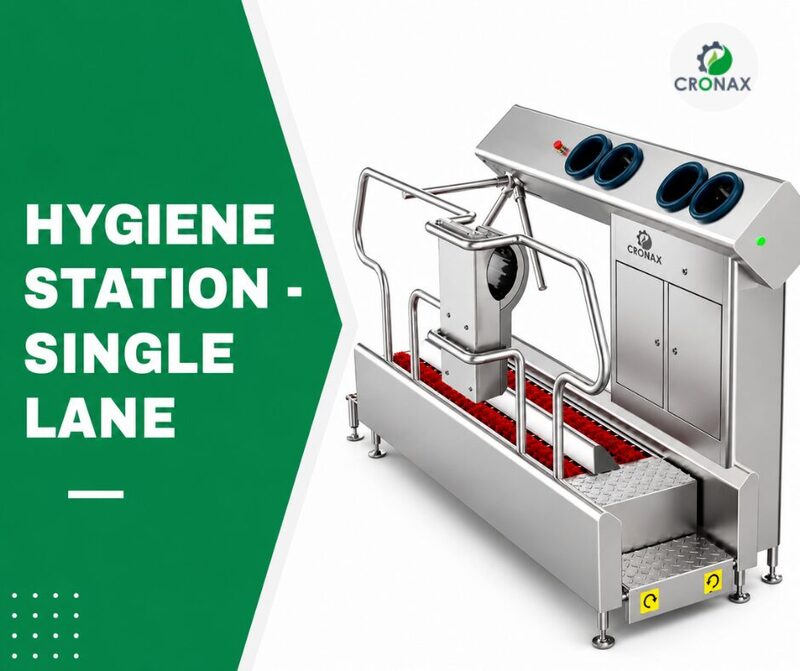
The Maintenance of Hygiene Stations
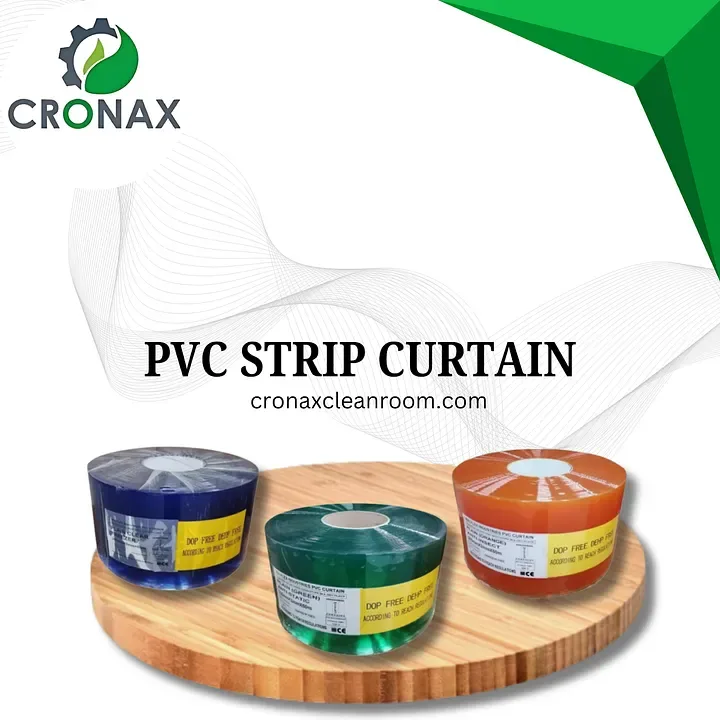
How PVC Strip Curtains Help Control Dust in Busy Industrial Areas
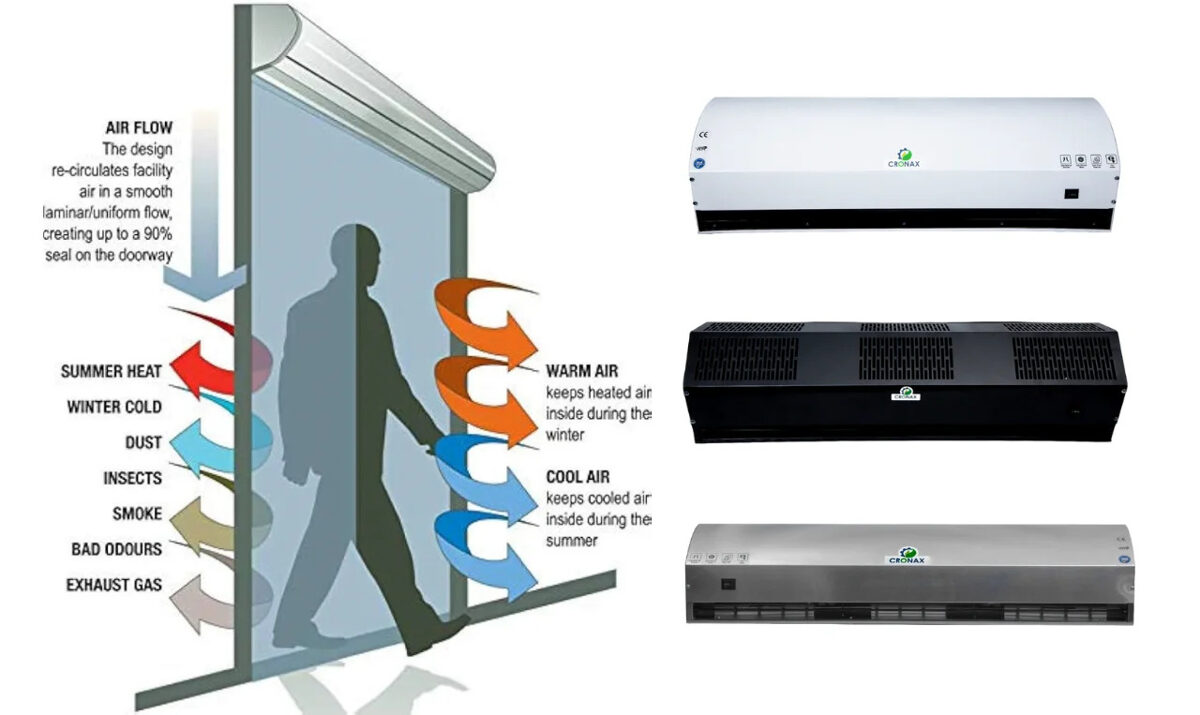
How Air Curtains Improve Customer Comfort and Reduce Energy Waste
Walk into any mall on a hot afternoon and step straight from the heat outside into a cool, comfortable lobby. That instant shift feels effortless, but it takes real engineering to pull off, especially when the main entrance doors are opening and closing all day long. One of the simplest tools behind that comfort is the Air Curtain. In this blog, we'll explain in plain language how an Air Curtain works, why businesses like malls, supermarkets, hotels, hospitals, and offices rely on them, and how they quietly save money on energy bills every single day.
What Is an Air Curtain, Exactly?
An Air Curtain is a device mounted above a doorway that pushes a steady stream of air straight down across the opening. It doesn't stop people from walking in or out. What it does stop is the constant back-and-forth of hot or cold air between inside and outside. Think of it as an invisible barrier that lets guests pass through freely while keeping the indoor climate exactly where you want it.
Cronax Industries makes these units for this task strong enough to hold back outside air yet quiet enough that most people walk past without even noticing its there.
Why Doorways Waste So Much Energy
Think about how many times the main entrance of a busy store or hospital opens in one day. Hundreds of times for sure. Each time some of the air inside leaks out and outside air rushes in to take its place. Add that up over a day of people coming and going and the air conditioning is constantly trying to keep up.
That's the problem that an Air Curtain is made to solve. It creates a wall of air at the entrance so the indoor climate control system doesn't have to constantly fight to keep the temperature steady.
How an Air Curtain Improves Customer Comfort
1. No More Blast of Hot or Cold Air at the Entrance
Anyone who has walked into a store during summer and felt a wave of hot air hit them right at the door knows how uncomfortable that first impression can be. An Air Curtain reduces this effect significantly, so customers feel a consistent, comfortable temperature the moment they step inside.
2. Longer, More Pleasant Visits
In malls and supermarkets, comfort directly affects how long people are willing to stay and shop. A stable indoor temperature, supported by a properly installed Air Curtain, encourages customers to browse longer instead of rushing through their visit.
3. Better Conditions in Hospitals and Clinics
In healthcare settings, indoor temperature and air quality matter even more. Patients are often sensitive to sudden temperature changes. An Air Curtain at hospital entrances helps maintain a stable environment while also reducing the entry of dust, insects, and outside pollutants.
4. A Warmer Welcome in Hotels
First impressions matter in hospitality. A consistent, comfortable temperature at the lobby entrance adds to the sense of care guests expect, no matter how many people are coming and going.
5. A More Professional Office Environment
Offices with heavy foot traffic at the entrance, like corporate lobbies, also benefit. Employees and visitors appreciate a stable indoor climate without doors needing to stay shut all the time.
How Air Curtains Reduce Energy Waste
When less outdoor air enters the building, the air conditioning or heating system doesn't need to work as hard to maintain the set temperature, which translates into lower electricity consumption over time. Businesses that install a properly sized Air Curtain often notice a real difference in their monthly energy costs, since entrances are one of the biggest sources of energy loss in buildings with frequent foot traffic. Cronax Industries designs its units specifically to maximize this energy-saving effect without sacrificing performance.
There is an upfront cost to installing an Air Curtain, but the ongoing energy savings usually make up for it within a reasonable period. For businesses with high customer traffic, like malls and supermarkets, this payoff tends to happen even faster.
Where Air Curtains Make the Biggest Difference
An Air Curtain is especially useful in:
- Mall and shopping complex entrances
- Supermarket and grocery store doorways
- Hotel lobbies and main entrances
- Hospital and clinic entry points
- Corporate office reception areas
Anywhere doors open frequently throughout the day, an Air Curtain helps protect both comfort and energy efficiency.
How to Choose the Right Air Curtain
Not every Air Curtain is suited for every entrance. Here are a few things worth considering:
- Door size and height. The unit needs to match the width and height of the entrance for full coverage.
- Airflow strength. Busier entrances need stronger airflow to hold back outside air effectively.
- Noise level. For customer-facing spaces like hotels and offices, quieter operation matters.
- Energy efficiency rating. Choose a unit designed to minimize power consumption.
- Build quality. Since these units run for long hours daily, durability is important.
Why Choosing the Right Supplier Matters
An Air Curtain only works well if it's properly sized and installed for your specific entrance. Cronax Industries brings years of experience supplying air curtains for malls, hospitals, hotels, and offices, helping businesses choose the right unit for their exact needs. Working with an experienced supplier ensures you get real comfort and real energy savings, not just a device mounted above the door.
Final Thoughts
Comfort at the entrance shapes how customers, patients, and guests feel about a space from the very first step inside. An Air Curtain offers a simple, effective way to maintain that comfort while also cutting down on wasted energy. Whether you run a mall, a supermarket, a hotel, a hospital, or an office, this small addition can make a noticeable difference to both your visitors' experience and your monthly energy bills.
If you're planning to improve comfort and cut energy costs at your entrance, reaching out to trusted experts like Cronax Industries can help you find the right Air Curtain for your space.
High Speed Doors for Improved Indoor Air Quality and Contamination Control
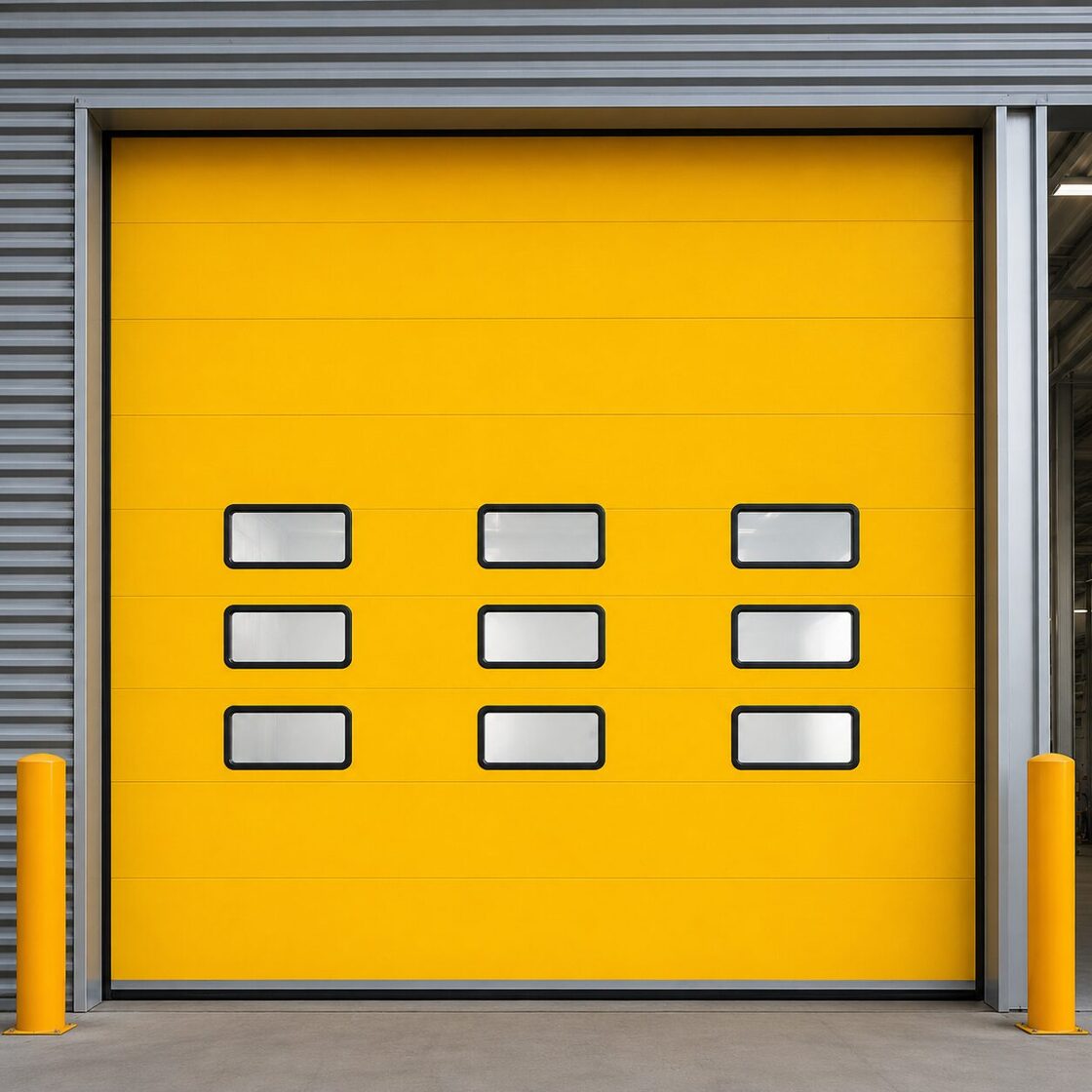
Indoor air quality isn't something most facility managers think about until it becomes a visible problem — dust settling faster than expected, humidity readings drifting, or a contamination flag during an audit. A lot of that traces back to something as basic as how long doors stay open during daily operations. High speed doors address this directly, and the impact on air quality and contamination control is bigger than people often expect.
Why Doorways Are a Major Source of Air Quality Issues
Every time a door opens it lets in more than the outside temperature. It also lets in dust, pollutants, humidity and tiny particles in the air. This is a problem in places like warehouses, cold storage units and manufacturing plants, where doors are always opening and closing. If the doors open and close slowly it gives all those things more time to get inside.. Over time it can really hurt the air quality.
How High Speed Doors Reduce This Exposure
Standard doors, including manual shutters and basic automatic doors, often take 15-30 seconds to fully cycle. High speed doors cut that down to 2-5 seconds, which directly limits how long a doorway stays open per pass. This matters in a few specific ways:
- Less time for outside particles to enter, reducing dust and pollutant infiltration into controlled environments.
- Better humidity stability, since less outside air exchange means less disruption to conditions the HVAC system is working to maintain.
- Reduced contamination risk in facilities where product quality depends on controlled air, like food processing, pharma, and electronics manufacturing.
- Lower burden on air filtration systems, since less uncontrolled air enters means the HVAC and filtration systems don't have to work as hard to recover.
Where This Matters Most
Food processing plants Airborne contamination is a recognized risk pathway in food safety. Faster door cycles at production and loading areas reduce how much outside dust and particulate matter can enter during transfers.
Pharmaceutical manufacturing Cleanroom-adjacent doorways, especially those connecting to loading docks or less controlled zones, benefit significantly from faster cycling, reducing the burden on the facility's core contamination control systems.
Electronics manufacturing Dust particles can damage sensitive components or affect yield rates. Reducing door-open exposure time at production entrances is a straightforward way to lower this risk.
Cold storage and refrigerated warehouses Beyond temperature control, faster doors also limit humidity fluctuation, which matters for both product quality and preventing condensation-related mould or bacterial growth.
What Makes a High Speed Door Effective for This Purpose
Not every fast-closing door delivers the same air quality benefit. A genuinely effective high speed door needs:
- Consistent cycle speed under continuous daily use, not just when new
- A tight seal when closed, minimizing air exchange even during brief pauses
- Durable curtain material that maintains its seal integrity over years of use
- Reliable sensors that don't cause unnecessary delays while still ensuring safety
A door that's technically "high speed" but doesn't seal well or degrades quickly won't deliver much of an air quality benefit in practice.
Choosing a Manufacturer for Air Quality-Sensitive Applications
Since the air quality benefit depends heavily on build quality and sealing performance, choosing the right high speed door manufacturer matters more in these applications than in general industrial use. It's worth asking any high speed door supplier about cycle speed consistency, seal quality, and curtain material durability specific to food, pharma, or electronics environments.
Cronax Industries is one high speed door manufacturer that builds units with attention to these contamination-sensitive requirements, offering models suited to food processing, pharma, and cold storage facilities where air quality control is a genuine operational priority.
Questions Worth Asking Before You Buy
- What cycle speed does the door maintain under continuous, high-frequency use?
- How well does the seal perform, and does it maintain that performance over years of use?
- Is the curtain material suited to our specific contamination control requirements?
- Can the supplier support fast repairs if the door underperforms or breaks down?
A high speed door supplier experienced with contamination-sensitive facilities, such as Cronax Industries, should be able to answer these clearly and recommend a model suited to your specific air quality requirements.
Bottom Line
High speed doors do more than save time and energy — in facilities where air quality and contamination control directly affect product safety, they play a real, measurable role in keeping outside particles, humidity swings, and pollutants from entering controlled spaces. Choosing a reliable high speed door manufacturer, like Cronax Industries, and matching the unit properly to your facility's contamination control needs makes a genuine difference in day-to-day air quality performance.
Why Ahmedabad's Cleanrooms and Factories Rely on Air Showers
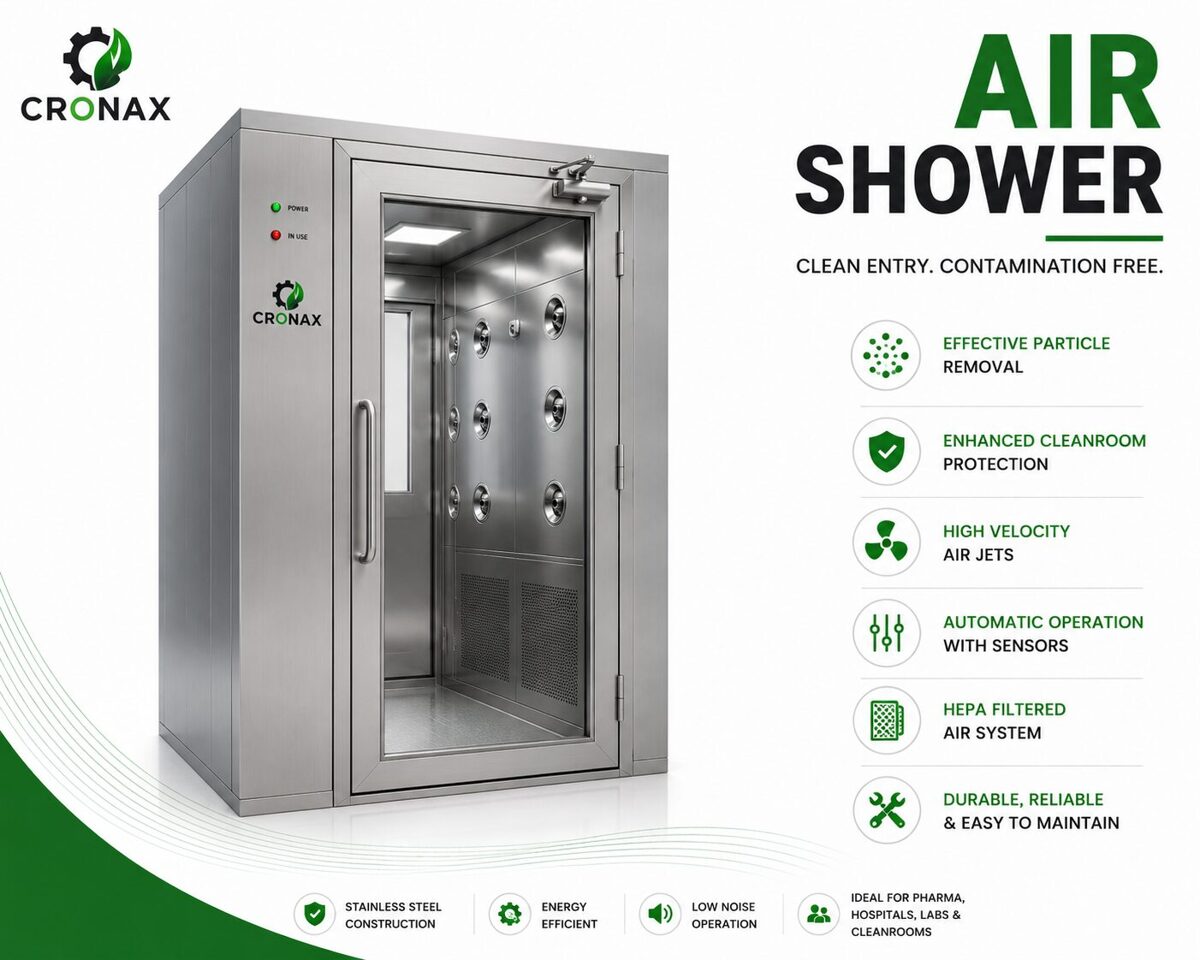
Anyone who works in a pharma unit or an electronics plant or a food processing facility in Ahmedabad knows what they have to do before they can go into the area. They have to walk through a room where strong jets of air blow dust and particles off their clothes. This is called an air shower. It only takes a seconds to walk through it but it is very important.
Here's a simple look at why air showers matter, what problems they actually solve, and what to check when picking an air shower supplier in Ahmedabad, including manufacturers like Cronax Industries.
The Problem Air Showers Solve
Cleanrooms and controlled environments are only as clean as the people and materials entering them. A worker walking in from a regular factory floor carries dust, fibres, and particles on their clothes and skin — invisible to the eye, but enough to compromise product quality in pharma, electronics, or food-grade manufacturing. Ahmedabad's industrial belt has a lot of these sensitive facilities, and this contamination risk is a daily, ongoing concern, not a one-time issue.
How an Air Shower Actually Works
An air shower is a small enclosed chamber, usually installed at the entry point of a cleanroom. As a person walks through, high-velocity air jets blow from multiple directions, dislodging loose particles from clothing and skin before the person steps into the clean zone. Some units also filter the air being circulated, so the particles removed don't just settle back down inside the chamber.
It's quick — usually 10 to 15 seconds — but it's an important checkpoint between the "outside" world and a space that needs to stay contaminant-free.
Why This Matters More in Ahmedabad's Industries
Ahmedabad has a strong base of pharmaceutical, chemical, and textile manufacturing, along with a growing electronics and precision manufacturing sector. All of these depend heavily on contamination control:
- Pharma units need cleanrooms to meet regulatory standards — even small contamination can affect batch quality or compliance.
- Electronics manufacturing is sensitive to dust particles that can damage sensitive components.
- Food processing plants need to maintain hygiene standards that directly affect product safety.
For all of these, an air shower isn't a luxury add-on — it's often a basic requirement to meet industry standards.
What Happens Without One
Skip the air shower step, and contamination control basically has a hole in it. Dust and fibres get carried straight into a space that's supposed to be free of them. For regulated industries like pharma, this can mean failed audits or rejected batches. For electronics manufacturing, it can mean a higher defect rate. It's one of those problems that's invisible day to day, until a batch fails inspection and everyone's asking what went wrong.
Choosing the Right Air Shower
Not every air shower performs the same way. A few things actually make a difference:
- Air velocity and jet placement — weak airflow or poorly placed nozzles won't remove particles effectively.
- Filter quality — HEPA filtration matters if the goal is genuinely clean air, not just moving dust around.
- Chamber size and door interlocks — these affect how well the air shower controls contamination between zones.
- Build quality and noise levels — since these units run constantly through a working day.
There are a few air shower manufacturers in Ahmedabad, but performance and after-sales support vary quite a bit between them. Cronax Industries is one manufacturer that builds air showers specifically for these kinds of demanding, regulated environments, with attention to airflow strength and filtration quality.
Finding a Reliable Supplier
Since an air shower is something that runs constantly and directly affects contamination control, it's worth choosing a supplier carefully rather than going with the cheapest option. Ask about airflow ratings, filter type, and how quickly the supplier can support repairs or servicing. Cronax Industries is a name that comes up often among businesses researching air shower manufacturers in Ahmedabad, largely because of its range of models suited to different cleanroom sizes and industry needs.
If you're comparing a few suppliers, it's worth including Cronax Industries in that comparison and checking their airflow specs, filtration setup, and service support before deciding.
Bottom Line
An air shower might only take a few seconds to walk through, but it plays a real role in keeping Ahmedabad's pharma, electronics, and food processing facilities free of contamination. For any business running a cleanroom, working with a dependable air shower supplier like Cronax Industries is a practical step toward maintaining the quality and compliance standards these industries demand.
Cold Storage Efficiency in Punjab: The Role of PVC Strip Curtains
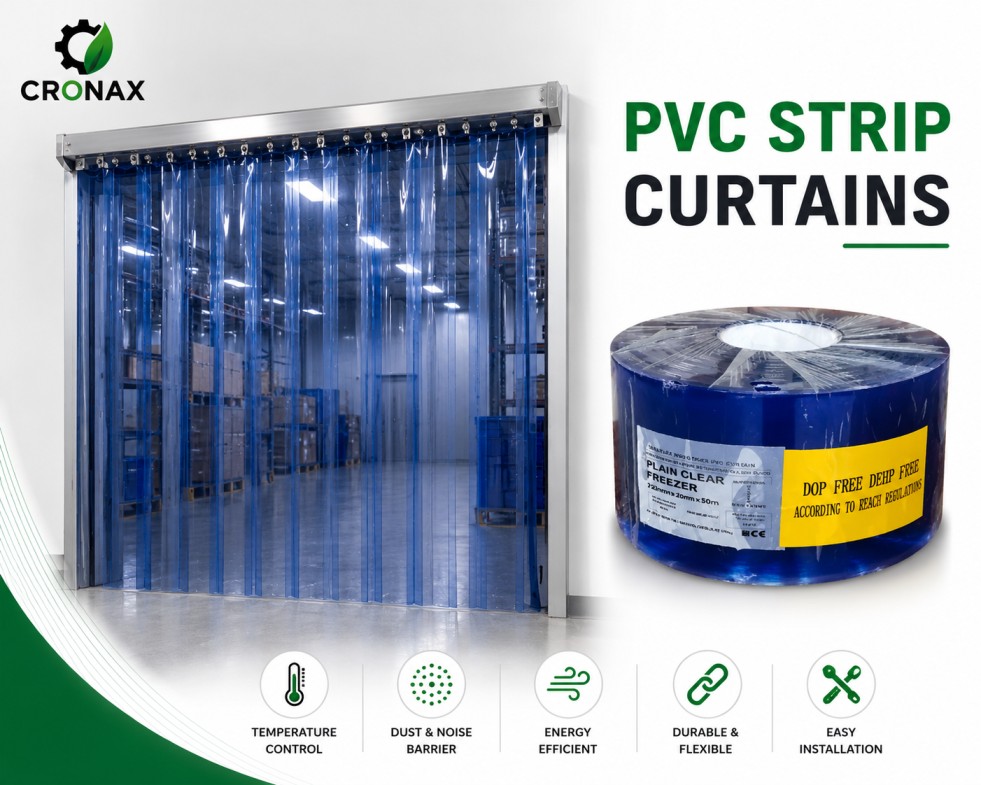
Punjab feeds a significant part of India.
Wheat from Ludhiana's hinterland. Potatoes from the belts around Jalandhar. Vegetables moving out of Amritsar toward Delhi and beyond. Dairy from cooperative networks spread across the state. The agricultural output here is enormous — and keeping it fresh between harvest and consumer depends entirely on cold chain infrastructure that works without gaps.
That last part — without gaps — is where many Punjab cold storage facilities quietly lose money every single day. Not through equipment failure. Not through power cuts alone. Through the doorway.
Every time a cold room door opens without a proper thermal barrier in place, temperature rises inside. The refrigeration system works harder to recover. Energy consumption climbs. And produce that was supposed to stay at 2°C has been sitting at 8°C for the thirty seconds it took a worker to move a pallet through an unprotected opening.
Multiply that across a facility with forty workers moving in and out across three shifts, and the cumulative temperature stress on stored produce is significant.
PVC strip curtains exist specifically to prevent this — and across Ludhiana, Amritsar, and Punjab's broader agri-logistics corridor, the facilities that have installed them are noticing the difference in their energy bills and their rejection rates.
Why Punjab's Cold Storage Sector Has Specific Challenges
Punjab's cold storage needs are shaped by its agricultural calendar — and that calendar is demanding.
Wheat harvest peaks in April and May, when ambient temperatures in Punjab are already touching 40°C. This is exactly when cold storage facilities face maximum load — storing newly harvested grain while working against the hottest ambient conditions of the year. Every uncontrolled door opening during this period is a direct conflict between the refrigeration system and the outside environment.
The potato and vegetable storage season creates similar pressure. Facilities in Jalandhar and the surrounding belt store enormous volumes of produce that need stable temperatures — typically between 2°C and 8°C depending on the crop — for months at a time. Temperature fluctuation within this window isn't just an energy concern. It directly affects shelf life, texture, and the price the produce commands when it finally reaches market.
Amritsar's position as a major distribution point — with goods moving toward Delhi, Jammu, and into export logistics chains — means cold storage facilities here need to maintain temperature integrity not just in storage but through active loading and dispatch operations. Loading bays that are handling multiple vehicles simultaneously are doorways that are functionally open for extended periods.
In all of these scenarios, a PVC strip curtain at the cold room or loading bay entry is the simplest, most cost-effective intervention available.
What PVC Strip Curtains Actually Do in a Cold Storage Setting
A PVC strip curtain is a set of overlapping transparent flexible strips hanging in a doorway. Workers, forklifts, and pallet trucks pass through without stopping — the strips part and fall back into place on their own.
What this simple mechanism provides in a cold storage environment is a continuous thermal barrier. The overlapping strips trap cold air inside and resist warm air infiltration from outside. Unlike a solid door, the curtain doesn't require anyone to open or close it — which means the thermal barrier is in place whether the worker remembers to close the door or not.
In cold room applications, this makes a measurable difference to temperature stability inside the storage area. Facilities that have switched from unprotected open doorways to PVC strip curtains consistently report more stable internal temperatures, less refrigeration compressor cycling, and lower electricity consumption — particularly during peak summer months when the temperature differential between inside and outside is at its greatest.
For Punjab's cold storage operators managing thin margins between input costs and market prices, these savings are not trivial.
The Energy Cost of an Unprotected Cold Room Door
To understand why strip curtains matter, it helps to think through what an unprotected doorway is actually doing to a cold storage facility's energy consumption.
A cold room maintaining 4°C in a Punjab summer, with 42°C ambient temperature outside, has a 38°C temperature differential across the doorway. Every time that doorway is opened without a barrier, warm air rushes in and cold air spills out — driven by both the temperature differential and the air currents created by movement through the opening.
Refrigeration systems respond by running longer cycles to pull the temperature back down. Over a full day of active operations, this additional compressor run time accumulates into a meaningful increase in electricity consumption — particularly in facilities running older refrigeration equipment that's already working near capacity during summer.
Industry experience with PVC strip curtains in cold storage applications suggests energy savings in the range of 20 to 40 percent at actively used doorways, depending on traffic frequency, opening size, and ambient conditions. For a large cold storage facility in Ludhiana or Amritsar running high compressor loads through a Punjab summer, those savings represent real money.
Getting the Specification Right for Cold Storage Use
Not all PVC strip curtains perform equally in cold storage environments — and this is where many Punjab facilities have been disappointed by their initial purchase.
Polar-grade PVC is non-negotiable. Standard PVC strip curtains become stiff and brittle at low temperatures. In a cold room maintained at 2°C to 4°C, a standard strip loses its flexibility, cracks along fold lines, and no longer returns to position after someone passes through. This destroys the thermal seal the curtain is supposed to maintain. Polar-grade strips are formulated to remain flexible at temperatures down to -20°C — staying pliable, returning to position cleanly, and maintaining their overlap seal throughout the cold room's operating temperature range.
Strip thickness for traffic type. Cold storage facilities in Punjab range from walk-in produce stores with pedestrian-only access to large facilities with regular forklift and pallet truck traffic. Strip thickness needs to match traffic — 2mm for pedestrian areas, 3mm to 4mm for forklift lanes where impact resistance matters. A thin strip in a forklift-traffic doorway tears quickly and requires frequent replacement.
Overlap percentage for thermal sealing. More overlap between adjacent strips means a tighter barrier and better thermal performance. For cold rooms where temperature control is critical, 50% overlap is a minimum — meaning each strip covers half the width of the adjacent one. Some cold room applications with very tight temperature tolerances go to 65% or 70% overlap.
Suspension hardware for cold and humid conditions. Cold room environments are tough on hardware. Condensation, cleaning chemical exposure, and the mechanical stress of thousands of daily strip deflections all affect mounting hardware over time. Stainless steel suspension rails and brackets outlast standard mild steel hardware significantly in cold storage environments — reducing the frequency of hardware replacement and the risk of a failed bracket dropping strips mid-operation.
Cronax Industries — PVC Strip Curtain Manufacturer for Punjab's Cold Storage Sector
Cronax Industries manufactures and supplies PVC strip curtains for cold storage facilities, agri-logistics operations, food processing plants, and dairy facilities across India — including Punjab's active cold chain corridor spanning Ludhiana, Amritsar, Jalandhar, Patiala, and surrounding agricultural districts.
Their cold storage range is built specifically around polar-grade PVC that maintains flexibility at low operating temperatures, with strip thickness options matched to the traffic type at each doorway and overlap configurations suited to the temperature requirements of the storage application.
Suspension hardware supplied by Cronax for cold storage applications uses stainless steel and treated aluminium components that resist corrosion in humid cold room environments — addressing the hardware failure mode that causes early replacement in facilities that specified standard hardware initially.
As a PVC strip curtain manufacturer with direct experience in agri-cold chain applications, Cronax understands the specific combination of high summer ambient temperatures, demanding operational throughput during harvest seasons, and the long storage periods Punjab's agricultural produce requires. The specification that works for a wheat cold store in Ludhiana is different from what a vegetable distribution centre in Amritsar needs — and Cronax works through those differences before supply.
For cold storage operators across Punjab planning new installations, replacing underperforming curtains, or expanding capacity to meet growing agri-logistics demand, Cronax brings both the right product and the application knowledge to specify it correctly.
The Gap That Costs the Most Is the One at the Door
Punjab's cold storage infrastructure is expanding. Government schemes, private investment, and growing export ambitions are adding capacity across the state's agri-logistics network.
The investment in refrigeration equipment, insulated panels, and temperature monitoring is significant. The investment in a properly specified PVC strip curtain at every active doorway is comparatively small — and it's the one that determines whether all that refrigeration investment actually performs as intended.
A cold room that maintains stable temperature through active loading operations, that doesn't spike every time a worker moves a pallet through, that keeps its compressors running efficiently rather than fighting to recover from repeated thermal breaches — that's a cold room that protects both the produce inside and the margins of the business running it.
The door is where that performance is either protected or lost. A polar-grade PVC strip curtain from a manufacturer who understood what the application needed is what makes the difference.
Cronax Industries manufactures and supplies PVC strip curtains, polar-grade cold room strip curtains, and flexible plastic door barriers for cold storage, food processing, and agri-logistics facilities across Punjab and India.
AHU Room Design Guidelines for Industrial and Commercial Buildings
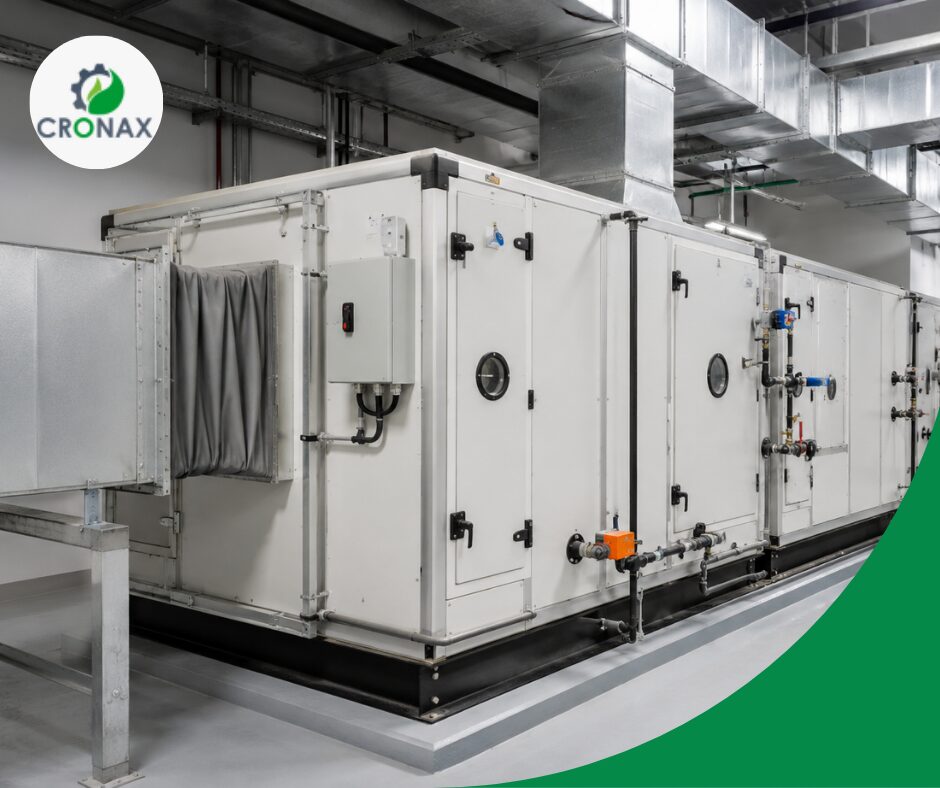
Most decisions about an Air Handling Unit get made early — during design and planning. Once the mechanical room is built, the ductwork is run, and the AHU is commissioned, changing anything becomes expensive and disruptive.
The problem is that AHU room design is often treated as an afterthought. Space gets allocated after everything else is planned. Dimensions get squeezed. Access panels end up facing walls. Drain lines get routed inconveniently.
Then the facility goes live, and the maintenance team inherits a room that was never really designed to be worked in.
This doesn't have to happen. Getting an AHU room right isn't complicated — but it does require thinking through a few things before the slab is poured.
What an Air Handling Unit Actually Does
An Air Handling Unit is the central component of an HVAC system that conditions and circulates air throughout a building. It draws in return air from occupied spaces, filters it, heats or cools it, controls humidity, and pushes it back out through the supply ductwork.
Depending on the application, an AHU may also introduce fresh outdoor air — either for ventilation requirements or to maintain specific pressure relationships between zones.
In industrial settings, AHUs handle large volumes of air across manufacturing floors, cleanrooms, warehouses, and process areas. In commercial buildings — offices, hospitals, hotels, malls — they serve zones, floors, or entire wings.
The AHU diagram for any facility maps out how air moves from the unit through supply ducts to diffusers, and back through return grilles and ducts to the unit again. Getting this flow path right on paper is the first step. The AHU room is where that flow path begins and ends.
Why AHU Room Design Gets Underestimated
An AHU room isn't glamorous. It's a mechanical space — noisy, often warm, full of equipment that most building occupants never think about.
But what happens inside that room directly determines the air quality, temperature consistency, and energy efficiency of every space the system serves.
A poorly designed AHU room creates problems that don't always show up immediately. Inadequate clearance makes filter replacement a two-person job that takes twice as long as it should. Poor drainage causes standing water and microbial growth inside the unit. Insufficient structural support causes vibration that travels through the building. Badly positioned access doors mean coils and fans that were never properly cleaned because reaching them was too awkward.
Over time, these maintenance gaps compound. Air quality drops. Energy consumption rises. The system that was supposed to serve the building starts costing more than it should to keep running.
Key Design Guidelines for AHU Rooms
Size the room for maintenance, not just installation.
The AHU itself has a footprint — but the room needs to accommodate more than that. Coil pull-out space, filter access clearance, fan and motor maintenance access, valve and control panel reach — all of these require clearance beyond the unit's physical envelope.
A standard guideline is to maintain at least one metre of clear space on service sides of the unit. For large industrial AHUs, more is better. The access you plan for during design is the access the maintenance team will actually use for the life of the building.
Get the structural slab and vibration isolation right.
AHUs generate vibration. Without proper isolation, that vibration transmits through the structure — showing up as noise and movement in occupied spaces, particularly in offices, hotels, and hospitals directly above or adjacent to the mechanical room.
Spring isolators or anti-vibration mounts under the unit, combined with flexible duct connections at supply and return openings, manage this effectively. The structural slab also needs to be rated for the unit's operating weight — which includes the weight of water in cooling coils and condensate collection.
Plan drainage before anything else is finalised.
Cooling coils produce condensate. Drain pans need to drain to a floor drain or dedicated condensate line — with a trap to prevent sewer gases from entering the air stream.
The floor of an AHU room should slope toward a drain. This sounds obvious, but a surprising number of AHU rooms have flat floors, leading to standing water that causes corrosion, biological growth, and eventually air quality issues in the spaces the unit serves.
Ventilation for the AHU room itself.
The mechanical room gets warm from heat rejection and equipment operation. Without adequate ventilation, room temperatures rise — affecting motor and drive performance, and making maintenance work uncomfortable and potentially unsafe during summer months.
Exhaust ventilation sized for the heat load in the room is a basic requirement that sometimes gets skipped during design.
Duct entry and exit positioning.
Where supply and return ducts connect to the AHU has a significant impact on air distribution efficiency. Abrupt bends immediately at the unit connection create turbulence and pressure drop. Straight duct runs before bends, and properly designed transitions at connections, keep the system performing as designed.
The AHU room layout should accommodate clean duct entry and exit geometry — not force the ductwork into awkward bends because the room wasn't sized to allow better routing.
Acoustic treatment.
In commercial buildings — particularly hotels, hospitals, and offices — AHU noise reaching occupied spaces is a genuine quality-of-life issue. Acoustic lining inside the AHU room, along with lined ductwork for the first few metres out of the unit, reduces breakout noise significantly.
For industrial facilities, this is less critical — but in any application where the AHU room is adjacent to offices or meeting rooms, acoustic design deserves attention.
Industrial vs Commercial AHU Rooms — What Changes
The core design principles are the same, but the specifics shift.
Industrial AHU rooms typically handle larger units, higher airflow volumes, and more demanding filtration requirements. Cleanroom facilities, pharmaceutical plants, and food processing units often need HEPA or ULPA filtration stages, humidity control within tight tolerances, and redundant units for continuous operation. Space for filter stages, access for filter changeout, and pressure relationships between the AHU room and adjacent spaces all become more critical.
Commercial AHU rooms — in office buildings, malls, hotels, and hospitals — tend to prioritise noise, aesthetics of the mechanical space, and ease of routine maintenance. Energy recovery ventilators and variable air volume controls are common additions. The room design needs to accommodate controls panels and BMS connections cleanly.
Cronax Industries — AHU Room Solutions for Industrial and Commercial Projects
Cronax Industries works with industrial and commercial facilities on Air Handling Unit room design, supply, and installation — bringing together the mechanical, civil, and controls requirements that a well-functioning AHU room demands.
Their experience spans pharmaceutical cleanroom AHU setups, industrial manufacturing ventilation, commercial HVAC installations, and hospital air distribution systems — applications where getting the AHU room design right from the start is not optional.
Cronax helps project teams think through room sizing, drainage, vibration isolation, duct geometry, and filtration requirements during the design phase — before decisions get locked in by construction. That early-stage input is where the most value gets created, and where the most expensive mistakes get avoided.
For industrial and commercial projects planning new AHU installations or upgrading existing mechanical rooms, Cronax brings both the product supply and the application knowledge to make the room work properly for the life of the building.
The Room Behind the Air
Every office, ward, hotel room, and cleanroom that feels comfortable and breathes well has an AHU room somewhere doing quiet, continuous work.
Most building occupants never see it. Most facility managers only think about it when something goes wrong.
The best time to get it right is before construction starts. The second best time is before the next major HVAC upgrade. Either way, the principles don't change — space for maintenance, proper drainage, vibration isolation, clean duct geometry, and a room that was actually designed to be worked in.
Get those things right, and the system takes care of itself for years. Get them wrong, and the maintenance team will be dealing with the consequences for just as long.
Cronax Industries supplies, designs, and commissions AHU rooms and Air Handling Unit systems for pharmaceutical, industrial, commercial, and institutional facilities across India.
7 Benefits of Industrial Air Curtains for Modern Businesses
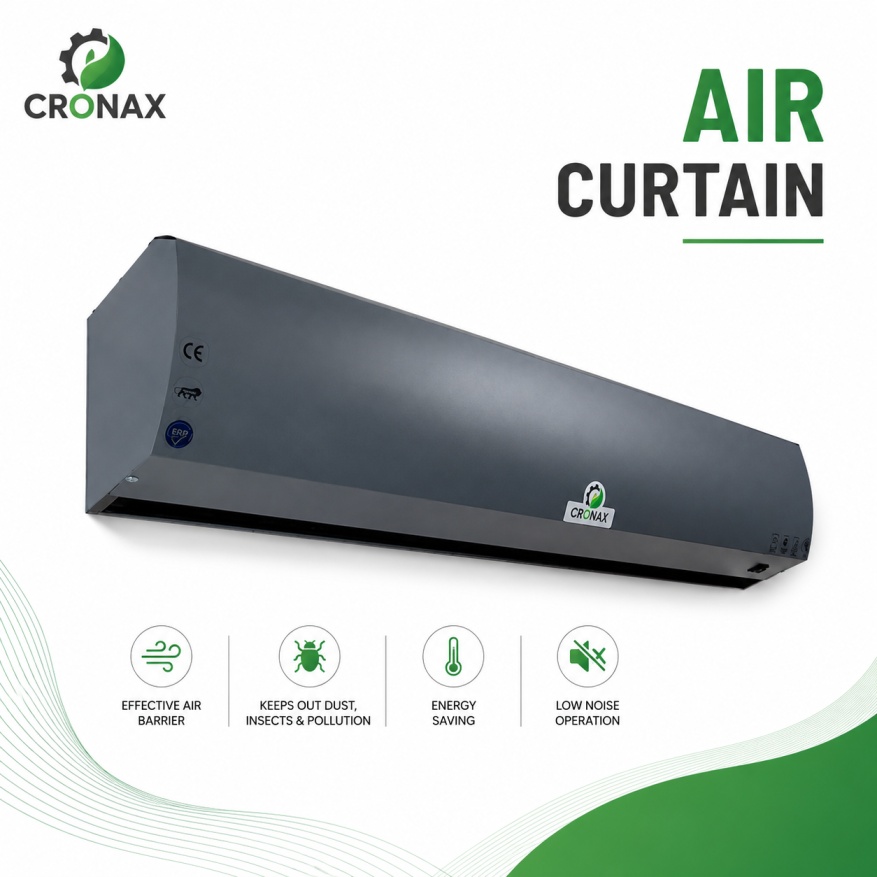
Most businesses spend serious money on HVAC systems, insulation, pest control, and contamination management — and then leave a wide-open doorway that quietly undermines all of it.
Every unprotected entry point in a factory, warehouse, food unit, or commercial space is a gap where energy escapes, insects enter, dust drifts in, and conditioned air walks out.
An industrial air curtain fixes this with a single installation. It creates an invisible high-velocity air barrier across the doorway — keeping inside conditions inside and outside conditions outside — while traffic flows through freely.
Here are 7 genuinely useful benefits that explain why air curtains have become standard equipment in modern Indian businesses.
1. Significant Energy Savings — Every Single Day
This is the number most facility managers pay attention to first.
HVAC and refrigeration systems account for a major share of operational electricity costs in factories, warehouses, and commercial buildings. Every time a doorway is open — even briefly — conditioned air escapes and unconditioned outdoor air enters. The cooling or heating system compensates. The meter runs.
A properly installed industrial air curtain reduces this infiltration by up to 80%. For a mid-sized warehouse or food processing unit running air conditioning through India's long summer, that reduction translates to 20% to 30% less electricity consumption on climate control alone.
The payback period on a well-specified air curtain is typically 6 to 18 months. After that — pure savings, every operating day.
2. Effective Insect and Pest Control — Without Chemicals
India's warm climate means insect pressure is a year-round concern for food businesses, pharmaceutical units, and any facility where hygiene standards are audited.
An industrial air curtain creates a physical and aerodynamic barrier that flying insects cannot comfortably cross. High-velocity airflow at the doorway disrupts their flight path and deters entry more effectively than strip curtains or slow-closing doors that leave gaps during every opening.
Amber anti-insect air curtains add an optical deterrent — a specific tint that insects find inhospitable — on top of the airflow barrier. For FSSAI-audited food facilities, this two-layer approach at every external entry point is a visible and documentable contamination control measure.
No sprays. No traps. No chemicals near food or product contact surfaces.
3. Dust and Pollutant Control — Critical in Indian Industrial Zones
Dust is not just an aesthetic problem in Indian industrial facilities.
Fine particulate matter from road traffic, construction activity, and dry seasonal winds infiltrates unprotected openings continuously. In electronics assembly, pharmaceutical manufacturing, and food processing — dust on product or equipment surfaces creates quality failures, compliance gaps, and customer returns.
Industrial air curtains at loading docks, production area entries, and external-facing openings actively block airborne dust. The air stream pushes incoming particles back without blocking traffic. In industrial zones across Delhi-NCR, Pune, Ahmedabad, and Chennai — where ambient particulate levels are consistently elevated — this protection is both operational and regulatory value.
4. Worker Comfort — More Valuable Than It Sounds
A worker standing near an unprotected loading bay in a Nagpur summer deals with heat blasts every time a vehicle passes. A warehouse picker near an external entry in Mumbai's monsoon gets hit with humid air and rain spray on every truck movement.
Neither condition is comfortable. Both affect productivity. Heat stress in Indian industrial workplaces is a genuine safety and performance concern — not just a welfare issue.
Air curtains stabilise the working environment at high-traffic entry points. The temperature and humidity around the opening stay closer to the interior conditions — making a measurable difference to the people working near those areas for eight to twelve hours a day.
Worker comfort isn't a soft benefit. It affects attendance, output quality, and the rate at which experienced staff stay in physically demanding jobs.
5. HVAC and Refrigeration System Protection
Here's a benefit that often gets missed in the headline conversation about air curtains.
Every time warm, humid air infiltrates a cold room or air-conditioned space through an unprotected doorway, the refrigeration compressor or HVAC unit has to compensate. It runs longer, works harder, and carries more load than its design intended.
Over months of this pattern, compressor life shortens. Service intervals compress. Refrigeration efficiency drops as evaporator coils frost more frequently from repeated warm-air infiltration.
An industrial air curtain reducing infiltration by 80% directly reduces this load on the refrigeration or HVAC system behind the door. Compressors run closer to design parameters. Service intervals extend. Equipment life increases.
For cold chain operators in India — where refrigeration downtime directly affects product integrity and compliance — this secondary benefit is worth calculating into the investment decision.
6. Hygiene Zone Separation — Without Walls
Modern food processing, pharmaceutical, and healthcare facilities operate with multiple hygiene zones — different cleanliness standards in adjacent areas that need to stay functionally separated.
Industrial air curtains maintain this separation at doorways without requiring physical walls or doors that slow down operations. A high-care food production area and an adjacent packaging zone can maintain their environmental separation even while staff and goods move between them — provided the right air curtain specification is in place at the connecting opening.
For pharmaceutical facilities managing cleanroom classifications across production corridors, air curtains support the pressure differential and contamination control strategy alongside other entry systems — adding a functional layer without replacing existing protocols.
This zone separation is particularly valuable in Indian facilities where production layouts often evolved over time and installing additional walls would be disruptive and expensive.
7. Noise Reduction Between Zones
This one surprises people who haven't experienced it.
Thick, high-velocity air curtains absorb and dampen sound. A production area with heavy machinery noise adjacent to a quieter quality control or packaging zone benefits from air curtains at the connecting entry — not just for temperature separation, but for sound attenuation that would otherwise require acoustic panelling.
In Indian factories where different production processes run in adjacent areas, reducing noise transfer between zones has direct benefits for worker health (reducing cumulative noise exposure for staff in quieter areas) and for process quality (where precision assembly or inspection requires lower ambient noise levels).
It's not the primary reason most businesses install industrial air curtains. But it's a benefit that consistently shows up after installation — and that adds practical value beyond what's on the specification sheet.
The Industries Getting the Most Value Right Now
Food processing and cold chain — energy savings, insect control, and FSSAI compliance. All three benefits apply simultaneously, making the ROI case the strongest here.
Pharmaceutical manufacturing — contamination control, zone separation, and hygiene documentation for regulatory audits.
Logistics and warehousing — loading dock energy management, dust control, and worker comfort in high-traffic entry areas.
Automotive and heavy manufacturing — fume containment, dust separation between zones, and temperature management in areas with localised heat generation.
Retail and commercial spaces — customer comfort at entrances, energy savings on air conditioning, and the aesthetic benefit of an open, barrier-free entrance that still maintains indoor conditions.
Hospitals and healthcare — infection control at supply area entries, energy management in temperature-controlled zones, and contamination separation between clinical and support areas.
Why Choose Cronax Industries
For businesses across India looking for a reliable air curtain supplier in India with the product range and application knowledge to match the right unit to each opening, Cronax Industries is worth a direct conversation.
What Cronax offers:
- Full product range — standard commercial units for retail and office use, high-velocity industrial air curtains for factory and warehouse applications, SS 304 models for food and pharma environments, and anti-insect amber units for FSSAI-compliance applications
- Correct specification support — air curtain width matched to door opening, velocity specified for the door height and temperature differential, motor rated for the application duty cycle. Not a catalogue recommendation — an application-matched specification
- Indian conditions engineering — UV-stabilised components for direct sun exposure, motors rated for continuous duty in Indian temperature ranges, and control options that handle power fluctuations common in industrial estates
- Installation and commissioning — correct mounting height above the door frame, airflow direction calibration for the specific opening, and speed settings adjusted for seasonal conditions
- After-sales support — accessible service team, genuine spare parts availability, and remote troubleshooting capability for connected units
As an experienced air curtain supplier in India serving food processing, pharmaceutical, logistics, automotive, and commercial clients, Cronax brings sector-specific knowledge to every project. They understand what FSSAI inspectors look for at food facility entries. They know what pharmaceutical GMP requires at cleanroom-adjacent openings. And they know how an automotive plant's loading dock behaves differently from a cold room entry in a dairy facility.
That application depth is what separates a supplier who sells you an air curtain from one who helps you get the right result.
Making the Decision
An industrial air curtain is not a complicated piece of equipment. It mounts above a doorway, connects to power, and runs.
What makes the difference between an installation that delivers all seven benefits above and one that underperforms is specification — the right width, the right velocity, the right grade for the environment, mounted at the correct height.
Get that right, and an air curtain pays for itself in energy savings alone within its first operating year in most Indian industrial applications — and then continues delivering on every other benefit for years beyond that.
Cronax Industries helps businesses get that specification right.
Looking for a trusted air curtain supplier in India for your factory, warehouse, food unit, or commercial space? Talk to Cronax Industries about the right industrial air curtain for your specific application.
How Indian Strip Curtain Manufacturers Are Improving Workplace Hygiene
Workplace hygiene is really important for all kinds of industries in India. This is true for food processing units, pharmaceutical facilities, warehouses, cold storage and manufacturing plants. It is necessary to keep the environment clean for the quality of products the safety of employees and to follow the rules.
Why Workplace Hygiene Is So Important
- Dust contamination
- Insects getting in
- Products getting spoiled
- Cross-contamination
- Higher cleaning costs
- Employees not being
What Is a PVC Strip Curtain?
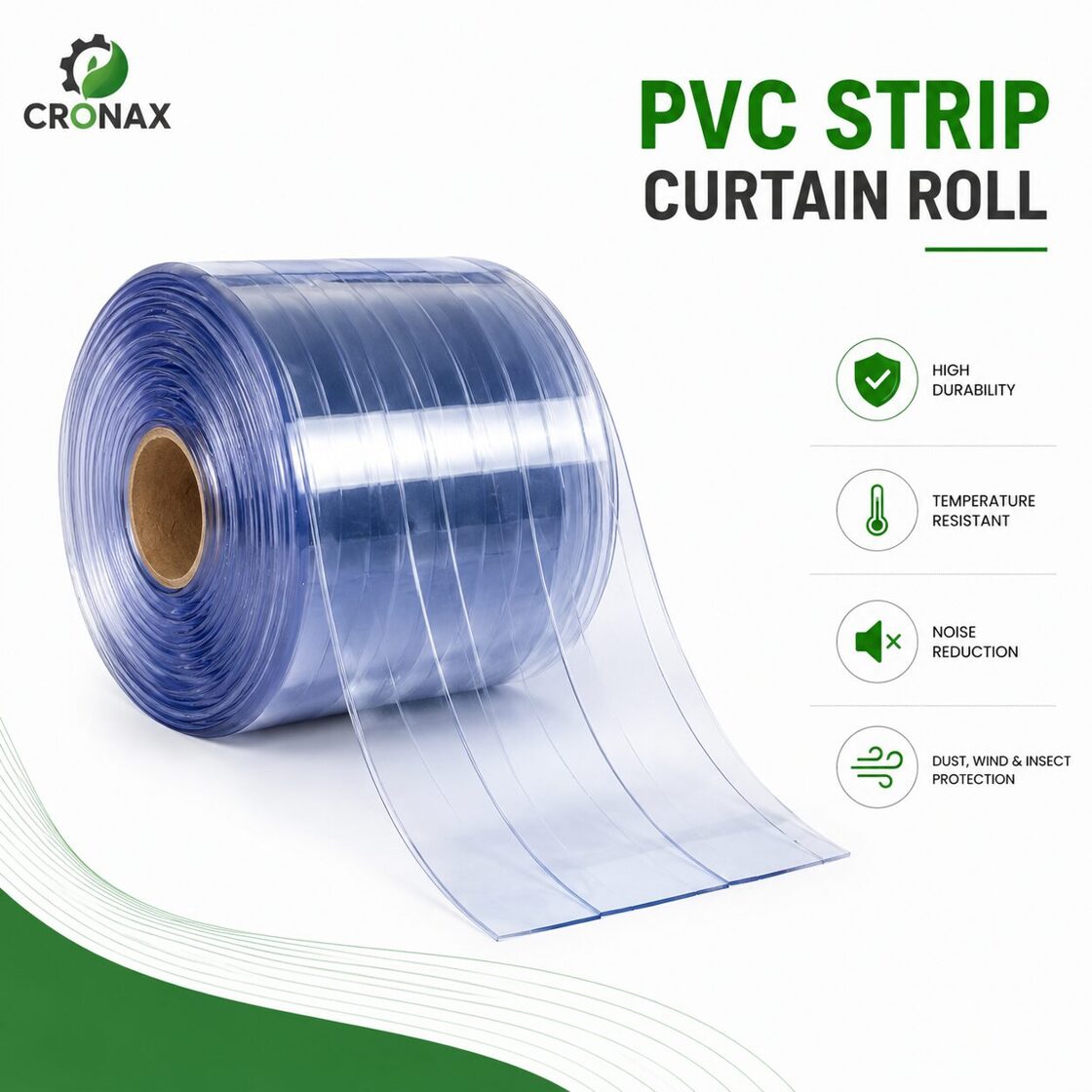
A PVC Strip Curtain is made up of overlapping PVC strips that are put up across doorways and entry points and work zones.
These Curtains are really helpful because they let people and forklifts and trolleys go through them easily.
At the time PVC Strip Curtains keep different areas separate from each other.
They are better, than doors because they keep everything protected all the time without slowing down the work that people are doing.
Many facilities also use them as a cost-effective Plastic Door Curtain solution for improving hygiene and workflow efficiency.
How Strip Curtains Improve Workplace Hygiene
1. Prevent Dust Entry
Dust is one of the biggest contamination sources in industrial environments.
A properly installed PVC Strip Curtain acts as a barrier that reduces the movement of dust from one area to another.
This is especially important in:
- Pharmaceutical facilities
- Food production units
- Packaging areas
- Clean manufacturing environments
Cleaner air means cleaner products and fewer hygiene concerns.
2. Help Control Insects and Pests
Open doorways often become entry points for insects and pests.
Strip Curtains help create a physical barrier that discourages unwanted intrusion while allowing smooth movement of personnel and equipment.
For industries where hygiene is critical, this additional layer of protection can make a significant difference.
3. Reduce Cross-Contamination
Many facilities have designated zones for different processes.
For example:
- Raw material areas
- Processing sections
- Packaging rooms
- Storage zones
Using flexible PVC strip curtains helps separate these spaces and reduce the risk of contaminants moving between departments.
This supports better hygiene management and quality control.
4. Improve Temperature Control
Temperature fluctuations can impact both hygiene and product quality.
A Plastic Door Curtain helps maintain stable temperatures by reducing air exchange between spaces.
This is particularly beneficial for:
- Cold storage facilities
- Food processing plants
- Pharmaceutical manufacturing units
Maintaining the right environment contributes to cleaner and safer operations.
5. Minimize Airborne Contaminants
Air movement can carry dust, debris, and other particles throughout a facility.
Installing PVC Strip Curtains helps limit unnecessary airflow between zones, reducing the spread of airborne contaminants.
This creates a cleaner workspace and supports better hygiene practices.
6. Encourage Better Operational Discipline
When workspaces are clearly separated, employees are more likely to follow hygiene protocols and designated movement paths.
Strip Curtains help define operational zones without creating access difficulties.
The result is a more organized and hygienic workplace.
Industries Benefiting from PVC Strip Curtains
Food Processing
Helps maintain cleanliness and reduce contamination risks.
Pharmaceutical Manufacturing
Supports controlled environments and hygiene compliance.
Warehouses
Reduces dust movement while maintaining accessibility.
Cold Storage Facilities
Helps maintain temperature and cleanliness.
Packaging Units
Protects products from external contaminants.
Manufacturing Plants
Improves workplace organization and environmental control.
Why Flexible PVC Strip Curtains Are a Smart Investment
Businesses prefer flexible PVC strip curtains because they offer multiple benefits:
- Easy installation
- Low maintenance
- Long service life
- Cost-effective operation
- Improved workplace hygiene
- Better energy efficiency
- Uninterrupted traffic flow
Compared to permanent barriers, they provide excellent flexibility without compromising protection.
Why Choose Cronax Industries?
When choosing Strip Curtains, the quality of the product really counts.
Cronax Industries provides high-quality PVC Strip Curtain solutions, for factories and businesses.
Their products help companies:
- Improve cleanliness
- Lower the risk of contamination
- Control temperature
- Work more efficiently
- Make workplaces safer
Cronax Industries keeps focusing on quality and dependability to help industries find effective ways to keep their workplaces clean.
The Future of Workplace Hygiene in Indian Industries
As industries are getting more serious about quality standards the need for solutions to control contamination is increasing fast.
Simple solutions such, as PVC Strip Curtains are working well because they solve many problems at the same time. Like keeping dust out managing temperature stopping pests and separating work areas.
For companies looking for practical ways to improve hygiene strip curtains are still one of the best choices.
Conclusion
Maintaining workplace hygiene doesn't always require complex systems. Sometimes, a simple solution can deliver significant results.
PVC Strip Curtains, flexible PVC strip curtains, and Plastic Door Curtain systems help businesses create cleaner, safer, and more efficient work environments. By reducing dust, controlling pests, minimizing contamination, and improving environmental control, they play an important role in modern industrial operations.
With trusted manufacturers like Cronax Industries, businesses can implement reliable Strip Curtains that support hygiene standards while maintaining smooth daily operations.
Cleanroom Challenges in Indian Pharma: Where Air Showers Make a Difference
India's pharmaceutical industry is growing fast. With this growth there is a need to keep manufacturing facilities clean and safe. Pharma companies have to follow rules and regulations set by the Central Drugs Standard Control Organization. Even a little bit of dust or contamination can affect the quality of medicine. Damage the company's reputation.
Why Cleanrooms Face Challenges in Indian Pharma Industries
- Dust from industrial areas
- Human contamination from shoes and uniforms
- Humidity and temperature variations
- Frequent movement of workers and materials
- Poor contamination control at entry points
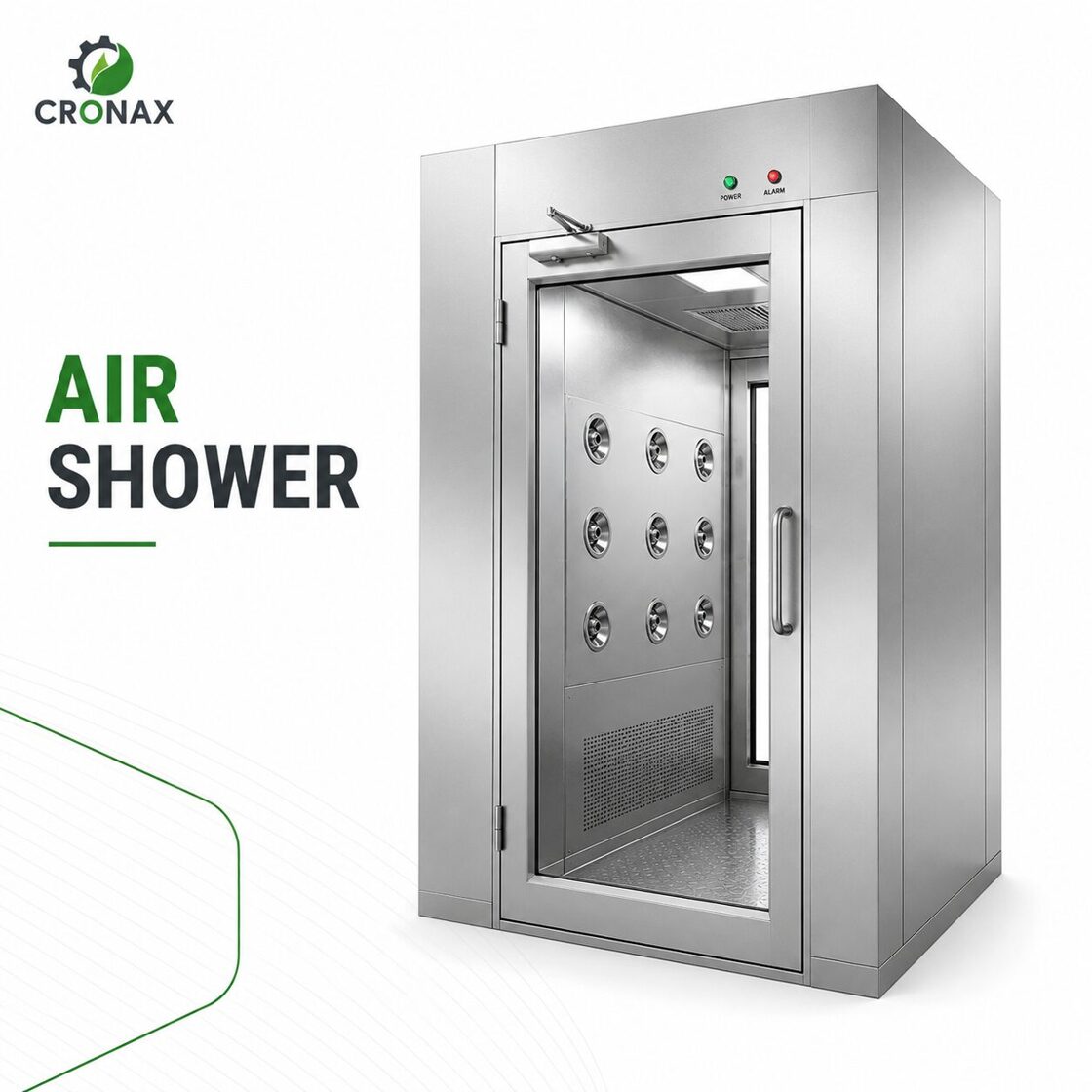
What is an Air Shower?
- HEPA filtration
- Stainless steel construction
- Automatic sensors
- Interlocking doors
- High-speed air nozzles
- LED control panels
How Air Showers Help Pharma Facilities Meet CDSCO Standards
1. Reduces Human-Borne Contamination
2. Improves Product Quality
3. Supports GMP and Regulatory Compliance
4. Protects Sensitive Manufacturing Areas
Why Indian Pharma Companies Prefer Air Showers
Important Features to Look for in an Air Shower
- HEPA Filtration
- Durable Construction
- Automatic Sensors
- Interlocking Doors
- Air Velocity
Why Cronax Industries is Trusted for Air Showers
Applications of Air Showers in Pharma Industries
- Tablet manufacturing units
- Injectable medicine plants
- Capsule production facilities
- Biotechnology labs
- Research centers
- Packaging areas
- Sterile production zones
Final Thoughts
AHU Room Protection: Preventing Dust and Contamination
When people talk about cleanrooms or industrial hygiene, most of the attention usually goes to machines, workers, or production areas. But one space that often gets overlooked is the AHU room.
The truth is, if the AHU room isn’t properly maintained, the air quality across the entire facility can suffer.
In industries like pharmaceuticals, food processing, hospitals, and electronics manufacturing, even a small amount of dust or contamination can create serious problems. That’s why businesses are paying more attention to AHU room protection and proper airflow management.
Companies like Cronax Industries help industries create cleaner and more controlled environments with solutions designed for dust and contamination control.
What Exactly Is an AHU Room?
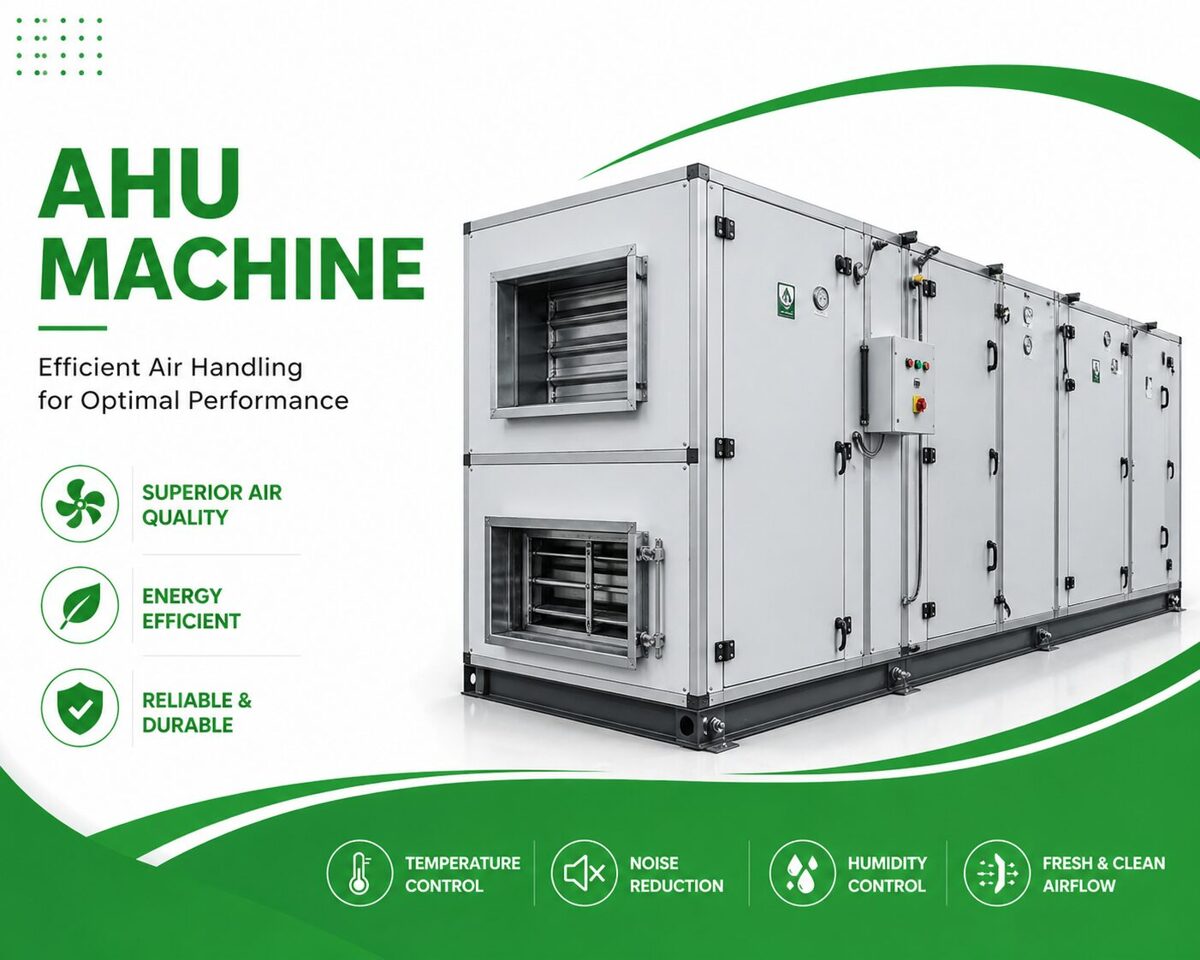
An AHU room is where the Air Handling Unit system is installed. This system controls the flow of air inside a building or controlled environment.
If you look at an ahu diagram, you’ll notice different components working together — filters, blowers, cooling coils, ducts, and airflow systems.
The ahu working principle is fairly simple. The system takes air from outside or inside the facility, filters it, controls the temperature and humidity, and then sends clean air throughout the building.
But if the AHU room itself gets dusty or contaminated, the whole process becomes less effective.
Why Dust in AHU Rooms Is a Big Problem
A little dust may not seem like a huge issue at first, but inside an AHU system, it can quickly turn into a costly problem.
Dust buildup can:
- block filters
- reduce airflow
- affect cooling efficiency
- increase maintenance costs
- spread contamination into clean areas
In pharmaceutical or food industries, contaminated air can directly affect product quality and hygiene standards.
For example, if airborne particles enter a clean production area through the ventilation system, it may lead to rejected batches, cleaning downtime, or compliance issues.
Common Reasons AHU Rooms Get Contaminated
Many facilities face contamination problems without even realizing where the issue starts.
Here are some common causes:
Doors Left Open Frequently
Every time the AHU room door stays open, dust and outside particles can enter.
This becomes more common in busy industrial areas with constant staff movement.
Poor Sealing Around Openings
Small gaps around ducts, cables, or wall joints can pull dirty air into the room over time.
Irregular Cleaning
Dust settles quickly around filters, motors, and corners if cleaning schedules are not maintained properly.
Uncontrolled Foot Traffic
Workers entering the room without proper cleanliness practices can also bring in dirt and contaminants.
How Industries Protect AHU Rooms
Modern industries now use multiple methods to keep AHU rooms clean and maintain proper airflow quality.
Air Curtains for Dust Control
Air curtains are commonly installed near AHU room entrances to stop dust from entering.
They create a strong air barrier that separates clean indoor air from outside contaminants while still allowing smooth movement of people and materials.
This works especially well in factories where doors open frequently.
Sealed and Cleanroom Doors
Proper doors make a huge difference.
Many industries now install sealed or automatic cleanroom doors to maintain pressure and reduce outside contamination.
These doors also help improve energy efficiency inside controlled environments.
Regular Filter Maintenance
Filters are one of the most important parts of the AHU system.
If they are clogged with dust, airflow quality drops immediately.
That’s why routine filter inspection and replacement are essential for maintaining clean air circulation.
Positive Pressure Inside the Room
Some facilities maintain positive pressure inside AHU rooms.
This means clean air continuously pushes outward when the door opens, preventing dirty air from coming inside.
This method is widely used in pharmaceutical and cleanroom environments.
Proper Sealing and Finishing
Even tiny gaps can slowly allow dust to enter the system.
That’s why properly sealing wall joints, duct openings, and cable entry points is important for long-term contamination control.
Industries Where AHU Room Protection Matters Most
Pharmaceutical Industry
Clean air is critical during medicine manufacturing and packaging processes.
Food Processing Units
Dust-free airflow helps maintain hygiene and food safety standards.
Hospitals and Healthcare Facilities
AHU systems support sterile environments in operation theaters, ICUs, and laboratories.
Electronics Manufacturing
Sensitive electronic components can get damaged by airborne particles and humidity fluctuations.
How Cronax Industries Supports Cleaner Environments
Cronax Industries provides solutions that help industries maintain cleaner AHU rooms and controlled environments.
Their systems are designed to improve:
- airflow control
- dust prevention
- hygiene management
- operational efficiency
- contamination protection
For industries where cleanliness directly affects production quality, investing in proper AHU room protection is not just about maintenance — it’s about protecting the entire operation.
Understanding the AHU Airflow Process
To understand the ahu working principle better, think of the process in simple steps.
Air enters the AHU system, passes through filters, gets cooled or heated, and then moves through ducts into different areas of the facility.
An ahu diagram usually helps engineers and maintenance teams understand this airflow cycle and identify areas where contamination risks may occur.
FAQs
What is the purpose of an AHU room?
An AHU room contains the air handling equipment responsible for filtering and circulating clean air inside a facility.
Why is AHU room protection important?
It helps prevent dust, contamination, airflow problems, and hygiene issues in controlled environments.
What does an ahu diagram explain?
An ahu diagram shows the components and airflow path inside an Air Handling Unit system.
What is the ahu working principle?
The ahu working principle involves filtering air, controlling temperature and humidity, and distributing clean air throughout the building.
Which industries need AHU room protection?
Pharmaceutical, healthcare, food processing, electronics, and cleanroom industries all require proper AHU contamination control.
Final Thoughts
AHU rooms may not always be visible to customers or visitors, but they play a huge role in maintaining a clean and controlled environment.
If dust and contamination enter the system, it can affect everything from product quality to equipment performance.
Simple steps like proper sealing, regular maintenance, air curtains, and controlled entry systems can make a major difference in keeping AHU rooms clean and efficient.
As industries continue focusing on hygiene and operational reliability, companies like Cronax Industries are helping businesses build safer and cleaner airflow systems for the future.
What Makes a Cleanroom Door Different from a Regular Industrial Door?
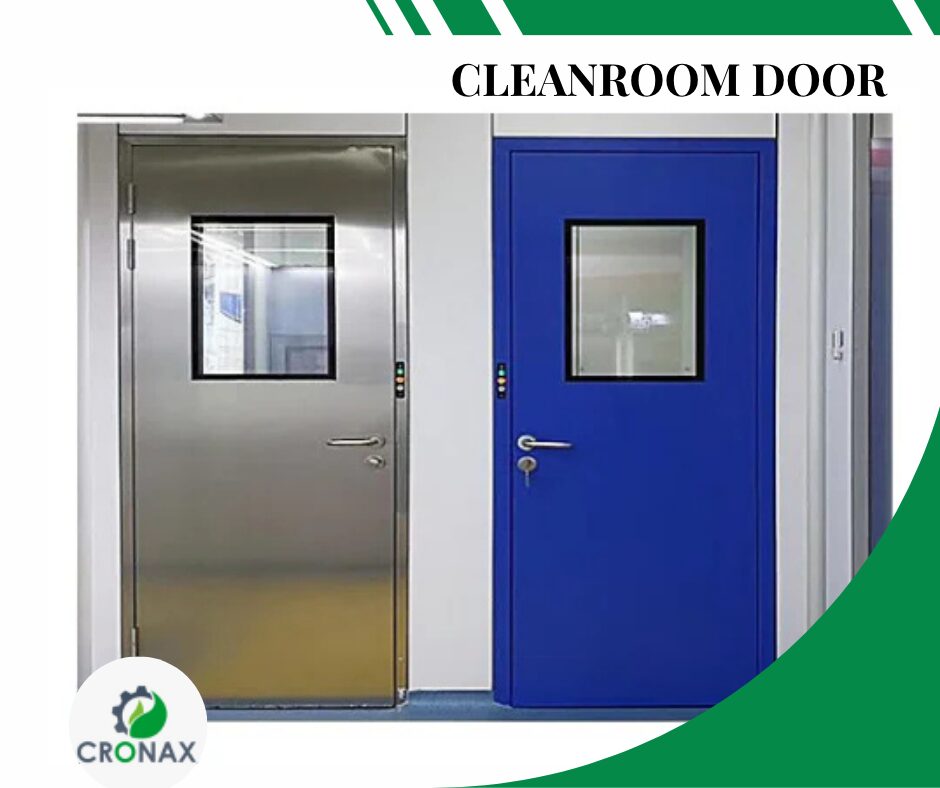
At a quick glance, a cleanroom door doesn’t look very different from a regular industrial door.
But inside a pharmaceutical plant, hospital, or food processing unit, that door does a lot more than just open and close.
It helps control airflow. It reduces contamination risks. It supports hygiene standards that many industries simply can’t compromise on.
And that’s where the real difference starts.
A standard industrial door is mainly built for durability and movement. A cleanroom door is built for controlled environments where dust, bacteria, moisture, and air leakage can create serious operational problems.
At Cronax Industries, cleanroom door systems are supplied for pharma facilities, food industries, hospitals, laboratories, and industrial cleanrooms where maintaining hygiene and pressure control is part of everyday operations.
And honestly, many businesses don’t fully understand the importance of proper cleanroom doors until they start facing airflow or contamination issues.
What Is a Cleanroom Door?
A cleanroom door is a specially designed door used in controlled environments where cleanliness and airflow management matter.
Unlike standard industrial doors, these doors are designed to:
- Minimize contamination
- Reduce air leakage
- Support pressure balance
- Handle regular sanitization
You’ll usually see them in:
- Pharmaceutical plants
- Hospitals
- Food processing facilities
- Electronics manufacturing units
- Laboratories
- Biotechnology facilities
These industries work in environments where even small dust particles or airflow disturbances can affect production quality.
What Is a Regular Industrial Door?
Regular industrial doors are built mainly for:
- Security
- Material movement
- Durability
- Access control
They’re commonly used in:
- Warehouses
- Factories
- Loading bays
- Logistics centers
And for those environments, they work perfectly fine.
The problem starts when businesses try using standard industrial doors inside spaces that require strict hygiene and contamination control.
That’s where limitations become obvious pretty quickly.
The Biggest Difference Is Contamination Control
This is the main reason cleanroom doors exist in the first place.
Regular industrial doors are not designed to control:
- Dust buildup
- Particle leakage
- Airflow disturbance
- Surface contamination
Cleanroom doors are.
That’s why they usually come with:
- Smooth surfaces
- Sealed edges
- Minimal gaps
- Hygienic finishes
Everything is designed to reduce places where dust and bacteria can collect.
One pharma facility switched from modified industrial doors to proper cleanroom doors after struggling with repeated contamination observations during inspections.
The issue wasn’t poor cleaning.
The door design itself was affecting airflow and hygiene control near production areas.
Air Tightness Matters More Than Most People Think
In a warehouse, small air gaps around a door usually aren’t a major issue.
Inside a cleanroom, they absolutely are.
Cleanroom environments often depend on controlled air pressure to keep contaminants out.
Even a small leakage around the door frame can disturb:
- Positive pressure
- Negative pressure
- Airflow balance
That’s why cleanroom doors are designed with tighter sealing systems compared to standard industrial doors.
Quick Answer:
Cleanroom doors are different from regular industrial doors because they are designed for contamination control, airtight sealing, pressure management, and hygienic environments.
The Surface Finish Is Completely Different
This is one detail people notice immediately.
Cleanroom doors usually look smoother and more seamless than normal industrial doors.
That’s intentional.
The surfaces are designed to be:
- Easy to clean
- Resistant to particle buildup
- Suitable for regular sanitization
Materials commonly used include:
- Stainless steel
- Powder-coated steel
- Hygienic non-porous finishes
Regular industrial doors focus more on strength and heavy-duty usage than hygiene.
Even the Hardware Is Designed Differently
In cleanrooms, small design details matter.
Regular industrial doors often use exposed hinges, standard handles, and visible fittings.
Cleanroom doors usually feature:
- Flush handles
- Concealed hardware
- Smooth edges
- Hygienic locking systems
These details make cleaning easier and reduce places where contaminants can settle.
That’s one reason experienced clean room doors manufacturers pay close attention to hardware design instead of focusing only on the door panel itself.
Real Example from a Food Processing Facility
A food processing company once installed standard industrial doors between its production and packaging sections.
Initially, everything seemed fine.
But over time, the maintenance team noticed:
- Dust buildup near the door edges
- Difficulty during sanitization
- Air leakage affecting airflow balance
The facility eventually upgraded to proper cleanroom doors with better sealing and hygienic finishes.
The difference became noticeable almost immediately.
Cleaning became easier. Airflow improved. Hygiene inspections became smoother.
Sometimes a door quietly creates operational issues without anyone realizing it.
Cleanroom Doors Are Built for Frequent Cleaning
In controlled environments, cleaning isn’t occasional. It’s constant.
Doors may be sanitized multiple times every day.
Cleanroom doors are specifically designed to handle:
- Chemical cleaning
- Moisture exposure
- Regular wipe-down procedures
- Strict hygiene protocols
Rounded edges and smooth surfaces help prevent dirt and bacteria from collecting in difficult areas.
That’s another reason clean room doors manufacturers usually recommend hygienic materials and flush designs for sensitive industries.
Industries That Commonly Use Pharma Doors
Pharma doors are widely used in industries where hygiene and airflow control directly affect operations.
Pharmaceutical Manufacturing
Production environments require strict contamination control and pressure management.
Hospitals and Healthcare Facilities
Operation theaters and sterile areas rely heavily on controlled airflow.
Food Processing Industries
Hygiene and cleanliness are critical in production and packaging zones.
Electronics Manufacturing
Sensitive electronic components can be affected by dust and particles.
Laboratories and Biotechnology Facilities
Controlled environments help maintain stable research and testing conditions.
Common Mistakes Businesses Make
A lot of businesses underestimate how specialized cleanroom environments actually are.
Using Standard Industrial Doors in Cleanrooms
This is probably the most common issue.
Regular industrial doors may look strong and durable, but they are not built for contamination-sensitive environments.
Over time, problems start showing up through:
- Air leakage
- Dust accumulation
- Poor cleaning efficiency
- Pressure imbalance
Ignoring Door Sealing Quality
Even a high-quality cleanroom door won’t work properly if the sealing around the frame is poor.
Small gaps create surprisingly large airflow problems in controlled environments.
Choosing the Wrong Materials
Low-quality surfaces can:
- Corrode
- Trap particles
- Become harder to sanitize over time
That’s why stainless steel and hygienic finishes are commonly preferred.
Poor Installation
Even the best cleanroom door loses effectiveness if installation is not done properly.
Improper alignment can affect:
- Air pressure balance
- Door sealing
- Hygiene performance
Why Businesses Choose Cronax Industries
Cronax Industries supplies cleanroom door solutions designed for environments where hygiene, airflow control, and contamination management are essential.
The company works with:
- Pharma facilities
- Hospitals
- Food industries
- Laboratories
- Cleanrooms
- Industrial manufacturing units
The focus is usually on:
- Airtight sealing
- Hygienic construction
- Smooth surface finishes
- Reliable industrial performance
- Long-term durability
Because in controlled environments, even small details can affect overall cleanliness and operational stability.
FAQs About Cleanroom Doors
What is a cleanroom door?
A cleanroom door is a specially designed hygienic door used in controlled environments to reduce contamination and maintain airflow control.
How is a cleanroom door different from a regular industrial door?
Cleanroom doors are designed for airtight sealing, hygiene, airflow management, and contamination control, while regular industrial doors mainly focus on durability and access.
Which industries use cleanroom doors?
Pharma, healthcare, food processing, electronics manufacturing, laboratories, and biotechnology industries commonly use cleanroom doors.
Are cleanroom doors airtight?
Yes. Most cleanroom doors are designed with sealing systems that help reduce air leakage and maintain pressure balance.
What materials are commonly used in cleanroom doors?
Stainless steel, powder-coated steel, and hygienic non-porous materials are commonly used.
Why are smooth surfaces important in cleanroom doors?
Smooth surfaces reduce dust buildup and make cleaning and sanitization easier.
Final Thoughts
A regular industrial door is built to handle movement, security, and durability.
A cleanroom door has a completely different job.
It helps maintain airflow, reduce contamination risks, support hygiene standards, and protect controlled environments from unwanted particles and air leakage.
And in industries like pharma, healthcare, food processing, and cleanroom manufacturing, those details matter every single day.