High Speed Doors for Improved Indoor Air Quality and Contamination Control
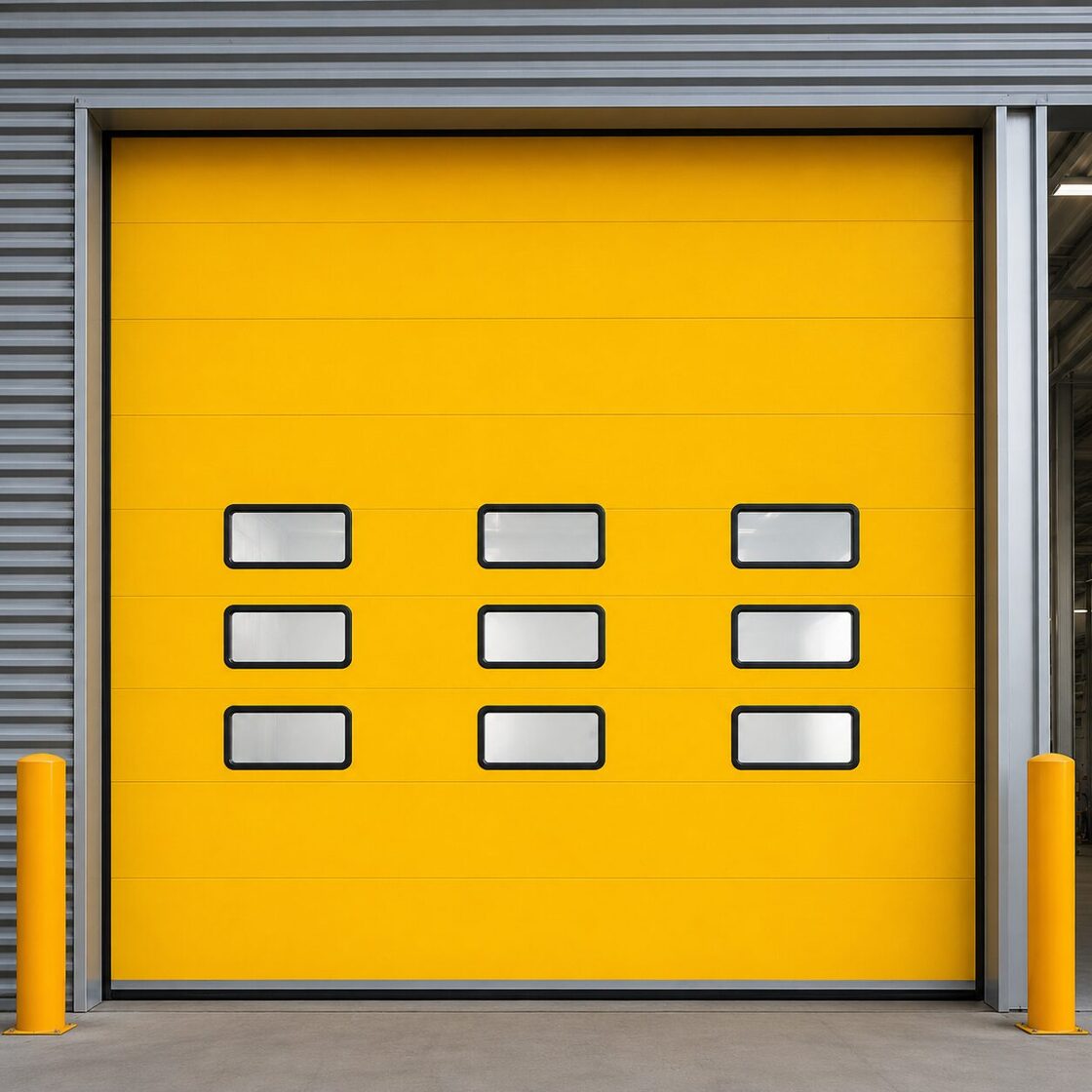
Indoor air quality isn't something most facility managers think about until it becomes a visible problem — dust settling faster than expected, humidity readings drifting, or a contamination flag during an audit. A lot of that traces back to something as basic as how long doors stay open during daily operations. High speed doors address this directly, and the impact on air quality and contamination control is bigger than people often expect.
Why Doorways Are a Major Source of Air Quality Issues
Every time a door opens it lets in more than the outside temperature. It also lets in dust, pollutants, humidity and tiny particles in the air. This is a problem in places like warehouses, cold storage units and manufacturing plants, where doors are always opening and closing. If the doors open and close slowly it gives all those things more time to get inside.. Over time it can really hurt the air quality.
How High Speed Doors Reduce This Exposure
Standard doors, including manual shutters and basic automatic doors, often take 15-30 seconds to fully cycle. High speed doors cut that down to 2-5 seconds, which directly limits how long a doorway stays open per pass. This matters in a few specific ways:
- Less time for outside particles to enter, reducing dust and pollutant infiltration into controlled environments.
- Better humidity stability, since less outside air exchange means less disruption to conditions the HVAC system is working to maintain.
- Reduced contamination risk in facilities where product quality depends on controlled air, like food processing, pharma, and electronics manufacturing.
- Lower burden on air filtration systems, since less uncontrolled air enters means the HVAC and filtration systems don't have to work as hard to recover.
Where This Matters Most
Food processing plants Airborne contamination is a recognized risk pathway in food safety. Faster door cycles at production and loading areas reduce how much outside dust and particulate matter can enter during transfers.
Pharmaceutical manufacturing Cleanroom-adjacent doorways, especially those connecting to loading docks or less controlled zones, benefit significantly from faster cycling, reducing the burden on the facility's core contamination control systems.
Electronics manufacturing Dust particles can damage sensitive components or affect yield rates. Reducing door-open exposure time at production entrances is a straightforward way to lower this risk.
Cold storage and refrigerated warehouses Beyond temperature control, faster doors also limit humidity fluctuation, which matters for both product quality and preventing condensation-related mould or bacterial growth.
What Makes a High Speed Door Effective for This Purpose
Not every fast-closing door delivers the same air quality benefit. A genuinely effective high speed door needs:
- Consistent cycle speed under continuous daily use, not just when new
- A tight seal when closed, minimizing air exchange even during brief pauses
- Durable curtain material that maintains its seal integrity over years of use
- Reliable sensors that don't cause unnecessary delays while still ensuring safety
A door that's technically "high speed" but doesn't seal well or degrades quickly won't deliver much of an air quality benefit in practice.
Choosing a Manufacturer for Air Quality-Sensitive Applications
Since the air quality benefit depends heavily on build quality and sealing performance, choosing the right high speed door manufacturer matters more in these applications than in general industrial use. It's worth asking any high speed door supplier about cycle speed consistency, seal quality, and curtain material durability specific to food, pharma, or electronics environments.
Cronax Industries is one high speed door manufacturer that builds units with attention to these contamination-sensitive requirements, offering models suited to food processing, pharma, and cold storage facilities where air quality control is a genuine operational priority.
Questions Worth Asking Before You Buy
- What cycle speed does the door maintain under continuous, high-frequency use?
- How well does the seal perform, and does it maintain that performance over years of use?
- Is the curtain material suited to our specific contamination control requirements?
- Can the supplier support fast repairs if the door underperforms or breaks down?
A high speed door supplier experienced with contamination-sensitive facilities, such as Cronax Industries, should be able to answer these clearly and recommend a model suited to your specific air quality requirements.
Bottom Line
High speed doors do more than save time and energy — in facilities where air quality and contamination control directly affect product safety, they play a real, measurable role in keeping outside particles, humidity swings, and pollutants from entering controlled spaces. Choosing a reliable high speed door manufacturer, like Cronax Industries, and matching the unit properly to your facility's contamination control needs makes a genuine difference in day-to-day air quality performance.