AHU Room Protection: Preventing Dust and Contamination
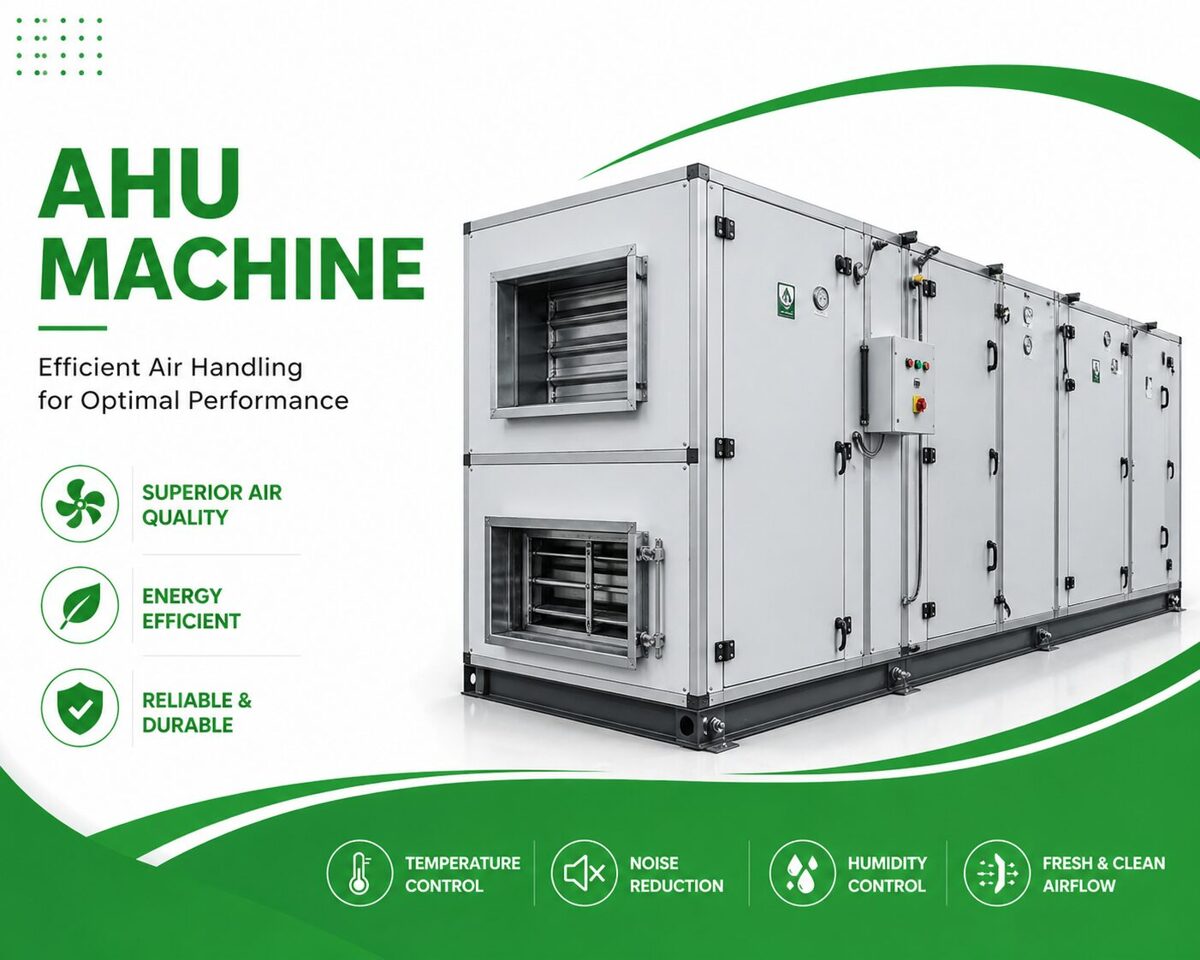
When people talk about cleanrooms or industrial hygiene, most of the attention usually goes to machines, workers, or production areas. But one space that often gets overlooked is the AHU room.
The truth is, if the AHU room isn’t properly maintained, the air quality across the entire facility can suffer.
In industries like pharmaceuticals, food processing, hospitals, and electronics manufacturing, even a small amount of dust or contamination can create serious problems. That’s why businesses are paying more attention to AHU room protection and proper airflow management.
Companies like Cronax Industries help industries create cleaner and more controlled environments with solutions designed for dust and contamination control.
What Exactly Is an AHU Room?
An AHU room is where the Air Handling Unit system is installed. This system controls the flow of air inside a building or controlled environment.
If you look at an ahu diagram, you’ll notice different components working together — filters, blowers, cooling coils, ducts, and airflow systems.
The ahu working principle is fairly simple. The system takes air from outside or inside the facility, filters it, controls the temperature and humidity, and then sends clean air throughout the building.
But if the AHU room itself gets dusty or contaminated, the whole process becomes less effective.
Why Dust in AHU Rooms Is a Big Problem
A little dust may not seem like a huge issue at first, but inside an AHU system, it can quickly turn into a costly problem.
Dust buildup can:
- block filters
- reduce airflow
- affect cooling efficiency
- increase maintenance costs
- spread contamination into clean areas
In pharmaceutical or food industries, contaminated air can directly affect product quality and hygiene standards.
For example, if airborne particles enter a clean production area through the ventilation system, it may lead to rejected batches, cleaning downtime, or compliance issues.
Common Reasons AHU Rooms Get Contaminated
Many facilities face contamination problems without even realizing where the issue starts.
Here are some common causes:
Doors Left Open Frequently
Every time the AHU room door stays open, dust and outside particles can enter.
This becomes more common in busy industrial areas with constant staff movement.
Poor Sealing Around Openings
Small gaps around ducts, cables, or wall joints can pull dirty air into the room over time.
Irregular Cleaning
Dust settles quickly around filters, motors, and corners if cleaning schedules are not maintained properly.
Uncontrolled Foot Traffic
Workers entering the room without proper cleanliness practices can also bring in dirt and contaminants.
How Industries Protect AHU Rooms
Modern industries now use multiple methods to keep AHU rooms clean and maintain proper airflow quality.
Air Curtains for Dust Control
Air curtains are commonly installed near AHU room entrances to stop dust from entering.
They create a strong air barrier that separates clean indoor air from outside contaminants while still allowing smooth movement of people and materials.
This works especially well in factories where doors open frequently.
Sealed and Cleanroom Doors
Proper doors make a huge difference.
Many industries now install sealed or automatic cleanroom doors to maintain pressure and reduce outside contamination.
These doors also help improve energy efficiency inside controlled environments.
Regular Filter Maintenance
Filters are one of the most important parts of the AHU system.
If they are clogged with dust, airflow quality drops immediately.
That’s why routine filter inspection and replacement are essential for maintaining clean air circulation.
Positive Pressure Inside the Room
Some facilities maintain positive pressure inside AHU rooms.
This means clean air continuously pushes outward when the door opens, preventing dirty air from coming inside.
This method is widely used in pharmaceutical and cleanroom environments.
Proper Sealing and Finishing
Even tiny gaps can slowly allow dust to enter the system.
That’s why properly sealing wall joints, duct openings, and cable entry points is important for long-term contamination control.
Industries Where AHU Room Protection Matters Most
Pharmaceutical Industry
Clean air is critical during medicine manufacturing and packaging processes.
Food Processing Units
Dust-free airflow helps maintain hygiene and food safety standards.
Hospitals and Healthcare Facilities
AHU systems support sterile environments in operation theaters, ICUs, and laboratories.
Electronics Manufacturing
Sensitive electronic components can get damaged by airborne particles and humidity fluctuations.
How Cronax Industries Supports Cleaner Environments
Cronax Industries provides solutions that help industries maintain cleaner AHU rooms and controlled environments.
Their systems are designed to improve:
- airflow control
- dust prevention
- hygiene management
- operational efficiency
- contamination protection
For industries where cleanliness directly affects production quality, investing in proper AHU room protection is not just about maintenance — it’s about protecting the entire operation.
Understanding the AHU Airflow Process
To understand the ahu working principle better, think of the process in simple steps.
Air enters the AHU system, passes through filters, gets cooled or heated, and then moves through ducts into different areas of the facility.
An ahu diagram usually helps engineers and maintenance teams understand this airflow cycle and identify areas where contamination risks may occur.
FAQs
What is the purpose of an AHU room?
An AHU room contains the air handling equipment responsible for filtering and circulating clean air inside a facility.
Why is AHU room protection important?
It helps prevent dust, contamination, airflow problems, and hygiene issues in controlled environments.
What does an ahu diagram explain?
An ahu diagram shows the components and airflow path inside an Air Handling Unit system.
What is the ahu working principle?
The ahu working principle involves filtering air, controlling temperature and humidity, and distributing clean air throughout the building.
Which industries need AHU room protection?
Pharmaceutical, healthcare, food processing, electronics, and cleanroom industries all require proper AHU contamination control.
Final Thoughts
AHU rooms may not always be visible to customers or visitors, but they play a huge role in maintaining a clean and controlled environment.
If dust and contamination enter the system, it can affect everything from product quality to equipment performance.
Simple steps like proper sealing, regular maintenance, air curtains, and controlled entry systems can make a major difference in keeping AHU rooms clean and efficient.
As industries continue focusing on hygiene and operational reliability, companies like Cronax Industries are helping businesses build safer and cleaner airflow systems for the future.