What Makes a Cleanroom Door Different from a Regular Industrial Door?
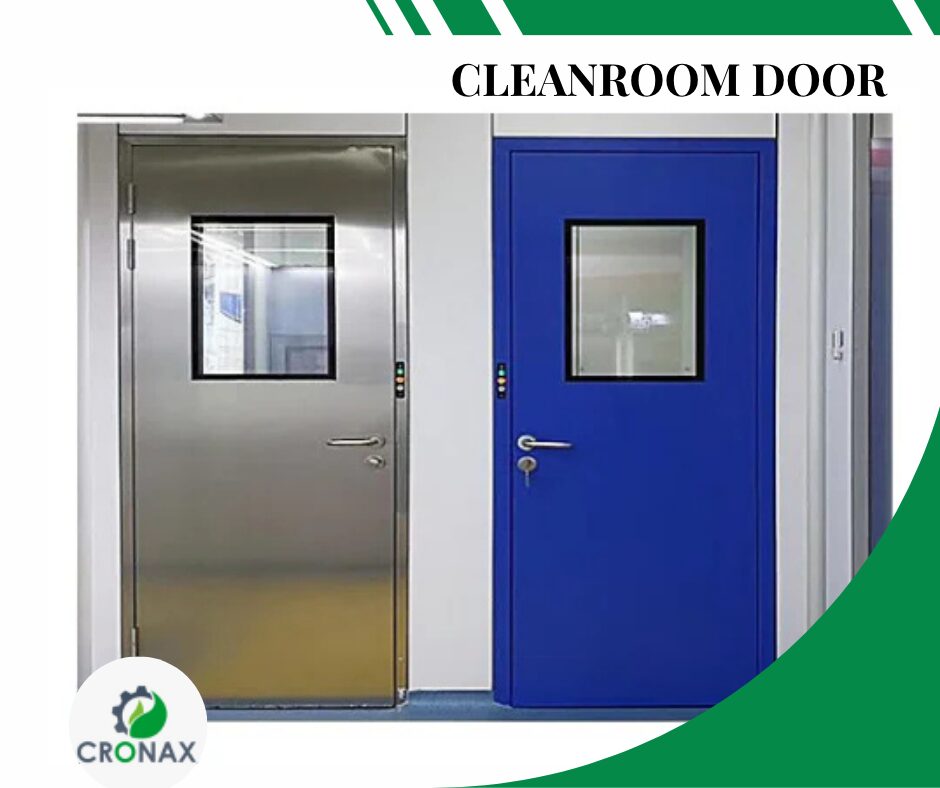
At a quick glance, a cleanroom door doesn’t look very different from a regular industrial door.
But inside a pharmaceutical plant, hospital, or food processing unit, that door does a lot more than just open and close.
It helps control airflow. It reduces contamination risks. It supports hygiene standards that many industries simply can’t compromise on.
And that’s where the real difference starts.
A standard industrial door is mainly built for durability and movement. A cleanroom door is built for controlled environments where dust, bacteria, moisture, and air leakage can create serious operational problems.
At Cronax Industries, cleanroom door systems are supplied for pharma facilities, food industries, hospitals, laboratories, and industrial cleanrooms where maintaining hygiene and pressure control is part of everyday operations.
And honestly, many businesses don’t fully understand the importance of proper cleanroom doors until they start facing airflow or contamination issues.
What Is a Cleanroom Door?
A cleanroom door is a specially designed door used in controlled environments where cleanliness and airflow management matter.
Unlike standard industrial doors, these doors are designed to:
- Minimize contamination
- Reduce air leakage
- Support pressure balance
- Handle regular sanitization
You’ll usually see them in:
- Pharmaceutical plants
- Hospitals
- Food processing facilities
- Electronics manufacturing units
- Laboratories
- Biotechnology facilities
These industries work in environments where even small dust particles or airflow disturbances can affect production quality.
What Is a Regular Industrial Door?
Regular industrial doors are built mainly for:
- Security
- Material movement
- Durability
- Access control
They’re commonly used in:
- Warehouses
- Factories
- Loading bays
- Logistics centers
And for those environments, they work perfectly fine.
The problem starts when businesses try using standard industrial doors inside spaces that require strict hygiene and contamination control.
That’s where limitations become obvious pretty quickly.
The Biggest Difference Is Contamination Control
This is the main reason cleanroom doors exist in the first place.
Regular industrial doors are not designed to control:
- Dust buildup
- Particle leakage
- Airflow disturbance
- Surface contamination
Cleanroom doors are.
That’s why they usually come with:
- Smooth surfaces
- Sealed edges
- Minimal gaps
- Hygienic finishes
Everything is designed to reduce places where dust and bacteria can collect.
One pharma facility switched from modified industrial doors to proper cleanroom doors after struggling with repeated contamination observations during inspections.
The issue wasn’t poor cleaning.
The door design itself was affecting airflow and hygiene control near production areas.
Air Tightness Matters More Than Most People Think
In a warehouse, small air gaps around a door usually aren’t a major issue.
Inside a cleanroom, they absolutely are.
Cleanroom environments often depend on controlled air pressure to keep contaminants out.
Even a small leakage around the door frame can disturb:
- Positive pressure
- Negative pressure
- Airflow balance
That’s why cleanroom doors are designed with tighter sealing systems compared to standard industrial doors.
Quick Answer:
Cleanroom doors are different from regular industrial doors because they are designed for contamination control, airtight sealing, pressure management, and hygienic environments.
The Surface Finish Is Completely Different
This is one detail people notice immediately.
Cleanroom doors usually look smoother and more seamless than normal industrial doors.
That’s intentional.
The surfaces are designed to be:
- Easy to clean
- Resistant to particle buildup
- Suitable for regular sanitization
Materials commonly used include:
- Stainless steel
- Powder-coated steel
- Hygienic non-porous finishes
Regular industrial doors focus more on strength and heavy-duty usage than hygiene.
Even the Hardware Is Designed Differently
In cleanrooms, small design details matter.
Regular industrial doors often use exposed hinges, standard handles, and visible fittings.
Cleanroom doors usually feature:
- Flush handles
- Concealed hardware
- Smooth edges
- Hygienic locking systems
These details make cleaning easier and reduce places where contaminants can settle.
That’s one reason experienced clean room doors manufacturers pay close attention to hardware design instead of focusing only on the door panel itself.
Real Example from a Food Processing Facility
A food processing company once installed standard industrial doors between its production and packaging sections.
Initially, everything seemed fine.
But over time, the maintenance team noticed:
- Dust buildup near the door edges
- Difficulty during sanitization
- Air leakage affecting airflow balance
The facility eventually upgraded to proper cleanroom doors with better sealing and hygienic finishes.
The difference became noticeable almost immediately.
Cleaning became easier. Airflow improved. Hygiene inspections became smoother.
Sometimes a door quietly creates operational issues without anyone realizing it.
Cleanroom Doors Are Built for Frequent Cleaning
In controlled environments, cleaning isn’t occasional. It’s constant.
Doors may be sanitized multiple times every day.
Cleanroom doors are specifically designed to handle:
- Chemical cleaning
- Moisture exposure
- Regular wipe-down procedures
- Strict hygiene protocols
Rounded edges and smooth surfaces help prevent dirt and bacteria from collecting in difficult areas.
That’s another reason clean room doors manufacturers usually recommend hygienic materials and flush designs for sensitive industries.
Industries That Commonly Use Pharma Doors
Pharma doors are widely used in industries where hygiene and airflow control directly affect operations.
Pharmaceutical Manufacturing
Production environments require strict contamination control and pressure management.
Hospitals and Healthcare Facilities
Operation theaters and sterile areas rely heavily on controlled airflow.
Food Processing Industries
Hygiene and cleanliness are critical in production and packaging zones.
Electronics Manufacturing
Sensitive electronic components can be affected by dust and particles.
Laboratories and Biotechnology Facilities
Controlled environments help maintain stable research and testing conditions.
Common Mistakes Businesses Make
A lot of businesses underestimate how specialized cleanroom environments actually are.
Using Standard Industrial Doors in Cleanrooms
This is probably the most common issue.
Regular industrial doors may look strong and durable, but they are not built for contamination-sensitive environments.
Over time, problems start showing up through:
- Air leakage
- Dust accumulation
- Poor cleaning efficiency
- Pressure imbalance
Ignoring Door Sealing Quality
Even a high-quality cleanroom door won’t work properly if the sealing around the frame is poor.
Small gaps create surprisingly large airflow problems in controlled environments.
Choosing the Wrong Materials
Low-quality surfaces can:
- Corrode
- Trap particles
- Become harder to sanitize over time
That’s why stainless steel and hygienic finishes are commonly preferred.
Poor Installation
Even the best cleanroom door loses effectiveness if installation is not done properly.
Improper alignment can affect:
- Air pressure balance
- Door sealing
- Hygiene performance
Why Businesses Choose Cronax Industries
Cronax Industries supplies cleanroom door solutions designed for environments where hygiene, airflow control, and contamination management are essential.
The company works with:
- Pharma facilities
- Hospitals
- Food industries
- Laboratories
- Cleanrooms
- Industrial manufacturing units
The focus is usually on:
- Airtight sealing
- Hygienic construction
- Smooth surface finishes
- Reliable industrial performance
- Long-term durability
Because in controlled environments, even small details can affect overall cleanliness and operational stability.
FAQs About Cleanroom Doors
What is a cleanroom door?
A cleanroom door is a specially designed hygienic door used in controlled environments to reduce contamination and maintain airflow control.
How is a cleanroom door different from a regular industrial door?
Cleanroom doors are designed for airtight sealing, hygiene, airflow management, and contamination control, while regular industrial doors mainly focus on durability and access.
Which industries use cleanroom doors?
Pharma, healthcare, food processing, electronics manufacturing, laboratories, and biotechnology industries commonly use cleanroom doors.
Are cleanroom doors airtight?
Yes. Most cleanroom doors are designed with sealing systems that help reduce air leakage and maintain pressure balance.
What materials are commonly used in cleanroom doors?
Stainless steel, powder-coated steel, and hygienic non-porous materials are commonly used.
Why are smooth surfaces important in cleanroom doors?
Smooth surfaces reduce dust buildup and make cleaning and sanitization easier.
Final Thoughts
A regular industrial door is built to handle movement, security, and durability.
A cleanroom door has a completely different job.
It helps maintain airflow, reduce contamination risks, support hygiene standards, and protect controlled environments from unwanted particles and air leakage.
And in industries like pharma, healthcare, food processing, and cleanroom manufacturing, those details matter every single day.